


Sarah's Journey
From Patient to Practitioner
Why I Do This Work
I’m Sarah Eglin, founder of Eglin Health and a Registered Nutritional Therapy and Lifestyle Medicine Practitioner (mBANT). Welcome to my website, my clinical practice, and my passion.
My path into this work wasn't just a career choice—it grew from years of navigating severe chronic illness, cancer treatment, and the long process of rebuilding my health from the ground up.
When you are dealing with a complex diagnosis or persistent fatigue, you don't need vague reassurance—you need someone who understands the clinical science, looks at the whole picture, and genuinely knows what it feels like to be the patient sitting in the chair.

Running on Empty
For twenty years, I lived a life of extremes. I balanced a demanding corporate career with the heavy training load of Ironman triathlons, constantly pushing my body while giving very little back in terms of recovery.
At the time, I felt indestructible. Looking back, I was running entirely on empty—without the tools to manage chronic stress, I ran, cycled, and swam myself straight into the ground. It was a hard lesson: no amount of mental grit can compensate for a physiology that isn't being supported from the inside out.
2014–2016: Chronic Fatigue and a Cancer Diagnosis
Things came to an abrupt halt in 2014 when I developed Chronic Fatigue Syndrome. Overnight, the energy I had always taken for granted simply disappeared. Two years later, in 2016—at 41 weeks pregnant—I was diagnosed with breast cancer.
I initially started along the conventional treatment path, completing four rounds of chemotherapy. However, the side effects were severe and compounding—crushing fatigue, immune suppression, and nerve damage, all while I was trying to care for a newborn. After carefully weighing the toll it was taking on my body, I made the personal decision to step away from the remainder of my conventional treatment plan.
At the same time, I grew increasingly frustrated by how little focus was placed on why my body had broken down in the first place, or what I could actively do to rebuild my health and reduce my risk of recurrence. Mere survival wasn't enough for me—and it wasn't enough for my son. I wanted my energy, clarity, and confidence in my body back, which meant stepping back, examining the evidence, and systematically rebuilding my health across six core areas.
If you would like to read more about the day-to-day realities of navigating diagnosis, stepping away from conventional treatment, and rebuilding my health, you can explore my personal reflections in My Personal Journey and Recovery Blog Series.
Rebuilding My Health: The 6 Pillars in Practice
There was no single fix or overnight turnaround. Instead, I treated my recovery like an analytical project—making steady, evidence-led changes across the six pillars that now underpin my clinical practice:
-

Therapeutic Nutrition
I moved to a wholefood, nutrient-dense, plant-focused way of eating—giving my cells the raw materials needed to repair tissue, calm inflammation, and support immune function.
-

Exercise & Movement
I had to relearn how to move without depleting myself—using movement to build energy and resilience rather than treating every session like a test of endurance.
-

Restoration & Repair
I stopped treating sleep and rest as optional extras, giving my nervous system and immune system the time they actually needed to recover.
-

Mental & Emotional Wellbeing
Through psychotherapy and meditation, I worked through the less obvious stressors—suppressed emotions, perfectionism, and deeply ingrained habits of over-pushing.
-

Connection & Support
I leaned on honest, supportive relationships rather than trying to carry everything alone. Dropping the 'invincible' facade and letting people in took practice, but emotional safety is just as critical to recovery as nutrition or sleep.
-
Environmental Optimisation
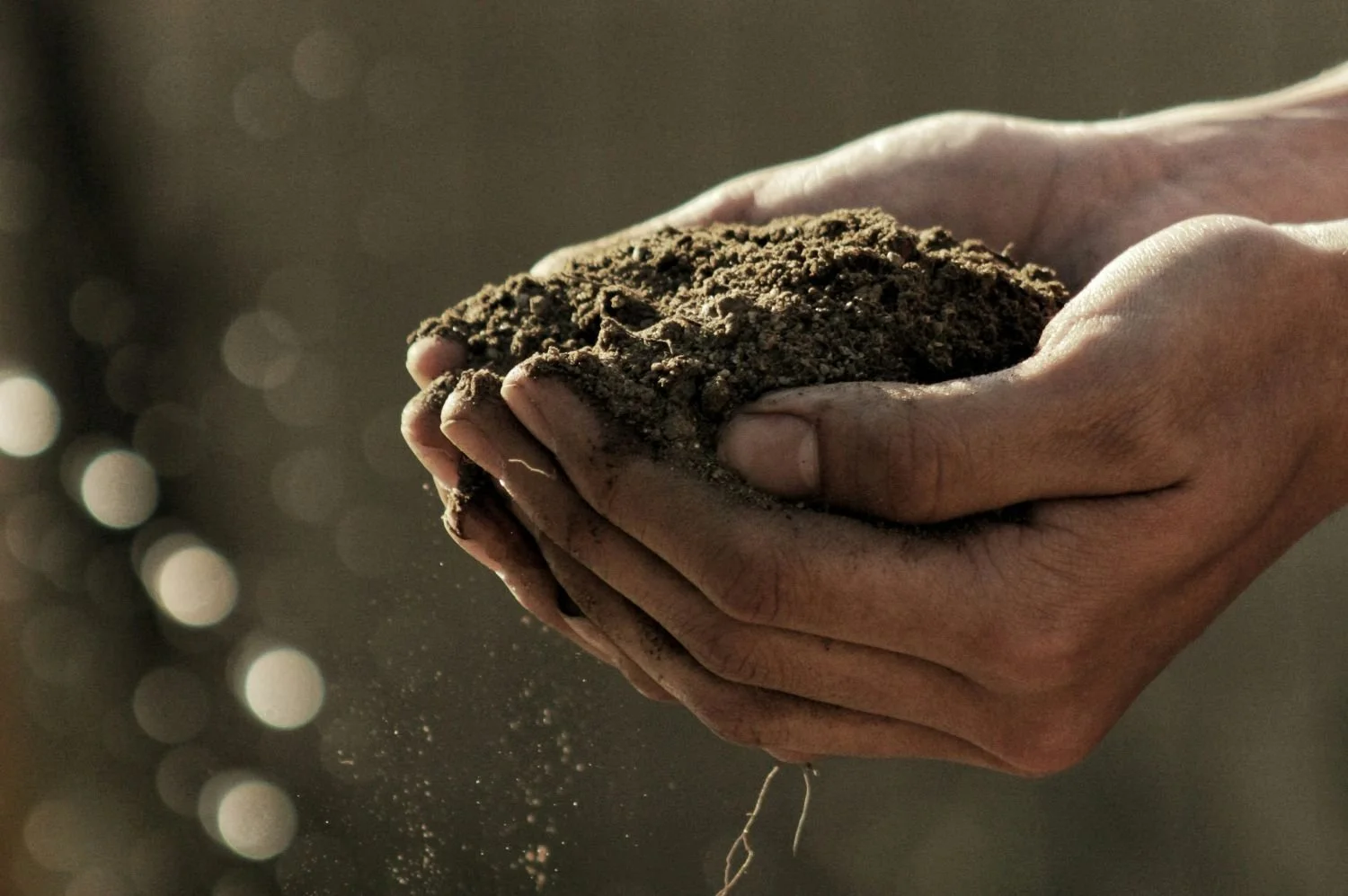
I reduced the day-to-day chemical and environmental load on my system, from the food I bought to the products I used at home.
Life Beyond Recovery
Rebuilding my health took patience, consistency, and years of steady progress. Along the way, I didn't just recover—I built a far more sustainable, resilient version of health than I had in my twenties or thirties.
In October 2025, I stood on the start line of the Barcelona Ironman and crossed the finish line in 12 hours and 6 minutes—my second-fastest time ever. For me, that race wasn't about proving I was tough; it was quiet confirmation that when you address root causes and support the body properly, its capacity to recover is remarkable.
I’ve walked this road, felt the frustration of not getting clear answers, and done the work to rebuild. Today, I combine that lived experience with rigorous clinical training to help you navigate your own path forward.
Timeline: From Struggle to Vitality
Before 2014: Pushing the Limits
Defined by corporate discipline and endurance sport, I had no idea how close I was to physiological burnout.

2014: Ironman UK

2014: Ironman UK - Results

2014: Ironman UK - The Award Ceremony

2014: Ironman World Championships - Kona, Hawaii
2015–2019: Illness, Motherhood & Reset
Navigating chronic fatigue and breast cancer treatment while learning to be a mother was the hardest chapter of my life—and the turning point that changed how I approach health completely.

July 2016: 7 months pregnant.

Sept 2016: 2 weeks post birth and breast cancer diagnosis.

Mar 2017: 2 months post chemo and embracing my new haircut.

Mar 2017: 2 months post chemo. Enjoying the fresh mountain air and spring sunshine.

May 2017: 4 months post chemo with Ethan at 6 months old.

July 2017: 3HO Kundalini Yoga Festival - France.

Mar 2018: 15 months post chemo. Feeling stronger but still far from back to health.

Aug 2018: 18 months post chemo with Ethan at 20 months old.

Aug 2019: 30 months post chemo and making progress towards health.
2020 Onwards: Rebuilding Health, Strength & Vitality
Applying the 6 Pillars with steady consistency allowed me to return to the outdoors, endurance events, and full, active family life.

Aug 2020: Mountain climbing in the French Alps with Ethan and Amber.

May 2021: Tour of Wessex (320 miles over 3 days).

June 2021: Preparing for A Day in the Lakes triathlon - my first triathlon in almost 7 years.

Aug 2021: Surfing in Aberporth with Ethan

Nov 2021: After a cold water dip in the sea at Gower.

June 2022: Tour of Wessex - take 2 (320 miles over 3 days)

June 2023 - Preparing to swim Lake Coniston end-to-end (5.25 miles)

Sept 2023 - Read my Sandman Triathlon post: Testing My Endurance Limits Post-Chemo here

April 2024 - Read marathon comeback story & 2024 roundup here

Oct 2025 - Read the Ironman Barcelona story & 2025 year in review here
Where to Go Next
You don’t have to figure this out on your own. Whether you are navigating cancer care, dealing with a complex chronic condition, or wanting to protect your long-term health, here is how we can take the next step:
1. Explore My 90-Day Programmes
See how I apply a systems-based, root-cause approach across Specialist Cancer Support, Chronic Health, and Health Optimisation—or book a 30-minute Introductory Call to talk things through first.
2. Credentials & Clinical Approach
If you’d like to look closer at my qualifications, professional accreditations, and the clinical framework behind my practice, you can explore those here.

Sarah's Journey
From Patient to Practitioner