

The Impossible Choice: Why I Stopped Chemotherapy Early
Breast Cancer in Pregnancy: My Big Wake Up Call
For me, cancer has turned out to be a huge wake-up call. It shook me, forcing me to think deeply about everything I held dear—my life so far, my beliefs, and how I wanted to live and be in the future.
Fundamentally though, I knew that I wanted to live! I wanted to live, not just for my newborn son or for my husband, but for me. I knew I didn’t just want to simply survive—which I imagined as clinging on, being alive but not necessarily being well. I wanted to thrive! I wanted to be fully back to health. No compromises.
Before I can delve into the path of thriving, I need to take a step back and explain the agonizing decisions that led to this turning point—the decisions that eventually culminated in the overwhelming question that hung over me: "Stopping chemo early... is that really a good idea?"

December 2016: Shortly after my 1st round of chemo, Ethan is 10-weeks old.
Treatment Protocols: The Rarity of Cancer in Pregnancy
I was fortunate to be diagnosed at 41 weeks pregnant, as my pregnancy was almost at its end. Many women are not so fortunate and have to make incredibly difficult treatment decisions during their pregnancy.
Here is a brief overview of the official protocols I researched regarding treatment during pregnancy:
Surgical Treatment: Oncological surgery is generally considered safe at any point during pregnancy and should not be delayed (1).
Chemotherapy: Most chemotherapeutic agents have low molecular weight and cross the placenta. Nearly all of them are known or suspected teratogens (agents which cause malformation of an embryo) according to animal studies (1). Given the ethical issues related to clinical trials in this population, human research data is limited (1). Despite chemotherapy drugs crossing the placenta, and given that the formation of major body systems and organs takes place primarily during the 1st trimester, it is only during this initial period that chemotherapy is generally not recommended. Chemotherapy during the second and third trimester is considered relatively safe (1).
However, it is crucial to note that while there is apparently no increase in malformation rates, several obstetrical and neonatal complications may occur more frequently, including:
Intrauterine growth restriction
Low birth weight
Preterm labour
If you want more information on this subject, the study referenced here is a good start.Given the ethical issues related to clinical trials in this population, human research data is limited (1).
Radiotherapy & Endocrine Treatment (Tamoxifen): Due to high fetal exposure and the drugs interfering with hormone-mediated fetal development, these treatments are not routinely recommended during pregnancy (1).
I do feel incredibly fortunate that I did not have to decide whether to undergo treatment for my cancer while pregnant, and similarly, I didn't carry the stress of that diagnosis throughout my pregnancy. But, as I’m sure most people will agree, there really is no good time to find out that you have cancer.
My Protocol: 4 Rounds and a Breakdown
My Diagnosis was confirmed as Grade 2 / Stage 3 invasive breast cancer, meaning the cancer cells had spread to some lymph nodes (9 out of 22), and they were replicating faster than normal cells replicate (2). My tumour was large (around 8cm in diameter), ER-positive and highly oestrogen responsive, with an Allred score of 8 out of 8 (3).
My prescribed treatment was a full mastectomy (complete), followed by 6 rounds of chemotherapy, radiotherapy, and 10 years of Tamoxifen.
The Mastectomy: Due to my wish to continue breastfeeding, I had the mastectomy first, at 4 weeks post-partum, where thankfully clear margins were achieved. I then managed to continue feeding for another four weeks, before facing the dreaded chemo.
The Chemo: Despite my reservations, I felt I had no alternative but to follow the oncologist's advice. However, before starting treatment, I spoke with a naturopathic doctor and began taking a whole host of supportive supplements, including medicinal mushrooms, astragalus, and greens. Additionally, after researching the potential benefits to healthy cells, I decided to fast around each chemo round.
I had four treatments roughly 3 or 4 weeks apart. Each round took a progressively harder toll on my body, with the severity and number of side-effects mounting.
The fourth round, which used a new, more toxic chemical protocol, required me to wear ice gloves and foot mitts to reduce the risk of permanent nerve damage in my extremities. This, combined with the chemical cocktail, made me throw up repeatedly during the procedure. It was awful.
Afterwards, I remember crawling into the bath at home and looking at myself in the mirror. I appeared as close to death whilst still living as I think I possibly could have. I felt that the treatment was killing me, and I just knew I could not take any more.
"Mummy is Having No More Chemo": Making the Call
As soon as I could, I started reading and researching. I looked into Tamoxifen initially, as I was uncomfortable with the idea of taking a medication that blocks such a vital female hormone. This research, combined with the intolerable side effects I was suffering from the chemotherapy, led me in one direction.
By the end of the day, I had made my decision: I was not having any more chemotherapy, I was not having radiotherapy, and I was not going to take Tamoxifen.

The Principle of "First Do No Harm"
The concept of primum non nocere, "first do no harm," is central to medicine. For cancer treatment, the medical profession seems to stray from this principle, perhaps erring towards 'being useful to the patient' given the limited tools they have.
Four months earlier, despite having a tumour, I felt okay. Now, I felt and looked on the verge of death. The chemo had the potential to not only kill me but, should I survive the treatment, carries a high probability of permanent nerve damage. Moreover, studies were emerging showing that, paradoxically, chemotherapy can actively induce changes in cells that favour cancer progression (4). I felt that the risks far outweighed the potential benefits.
I desperately wanted to live but I didn’t want to simply survive, I wanted to truly thrive. For me, stopping chemo early was my only option.
The Power of Support: Getting Matthew On Board
Stopping chemo early or refusing treatment requires enormous strength. I knew it was the right decision for me, but I knew that this would not be simple. I needed people on my side to support me, as I suspected my closest family would probably not understand. Thankfully, I have an amazing, supportive husband—Matthew—and I quickly got him on my side. I asked him to read all the information that I was reading, the research that I’d found, whatever I thought appropriate to ensure that he would fight my corner if and when I was struggling to. He was, and still is, my rock.
A Word of Caution & The Importance of Informed Choice
I must stress that such a decision is not for everyone, and I am not advocating that people reading this pull out of conventional treatment.
Each person must make their own mind up as to what is best for them, ideally by weighing up the potential risks compared to the potential benefits for themselves. This must be an informed decision.
However, if you are reading this and considering either stopping chemo early or refusing chemo in the first place, I would definitely recommend getting someone close to you on board who will support you wholeheartedly. Ensure that they fully understand your rationale, have read the research and information that you have read, and basically have your back. This challenging time is much easier with a fully informed advocate by your side.
Taking Control: The Journey of Transformation Begins
Looking back now, I appreciate what a bold decision I was taking, and how strong I was to stand by it. This choice—to step away from conventional treatment—was the defining moment of my journey. It wasn't an act of surrender; it was an act of profound self-compassion and a commitment to my long-term health.
By choosing to prioritise my own well-being and seeking comprehensive support, I was finally ready to move beyond simply surviving the trauma and begin the challenging, long-term work of transformation. Stopping chemo early was not giving up; it was actively choosing my path to true healing and vitality.
➡️ To see the physical journey that followed and how I finally rebuilt my strength and reclaimed my fitness, continue reading the next chapter: Getting Fit After Chemotherapy.
📸 A Visual Timeline: My Journey
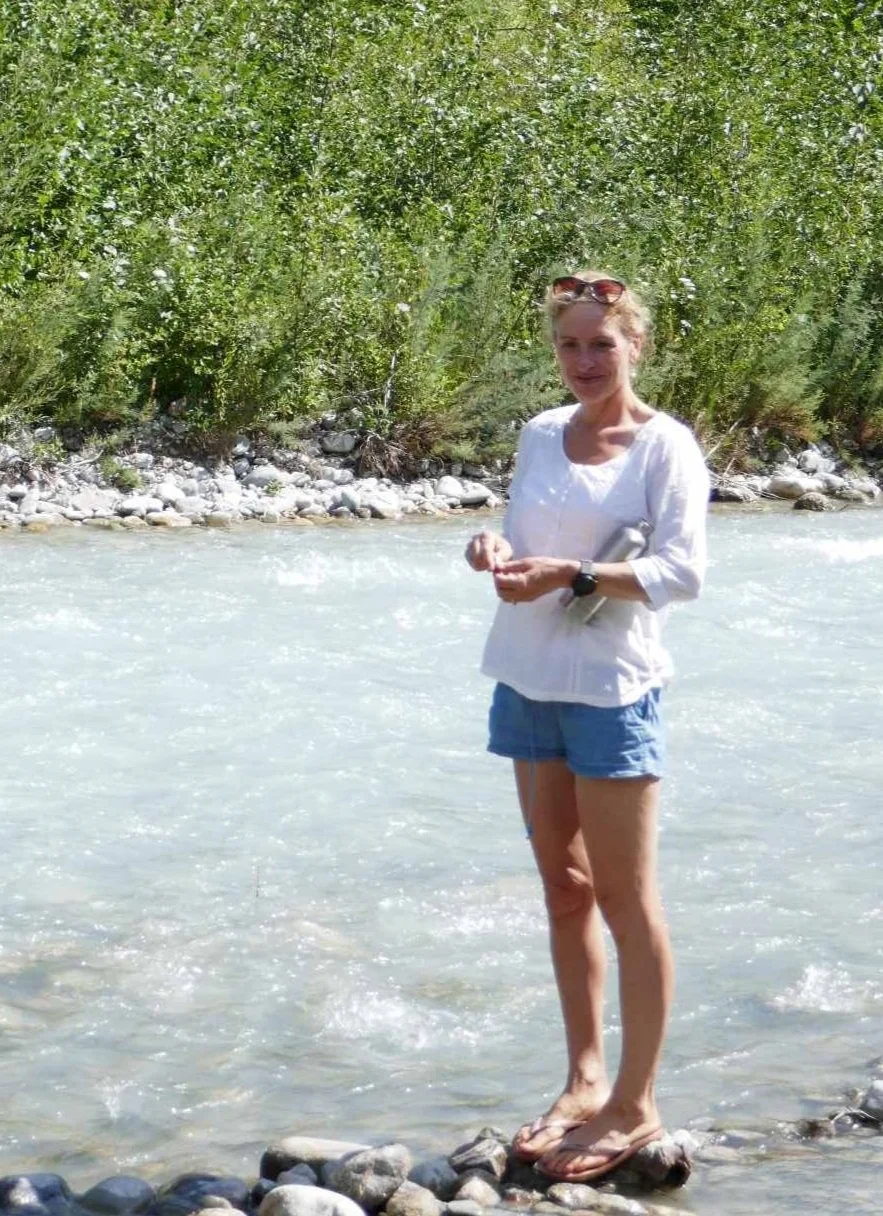
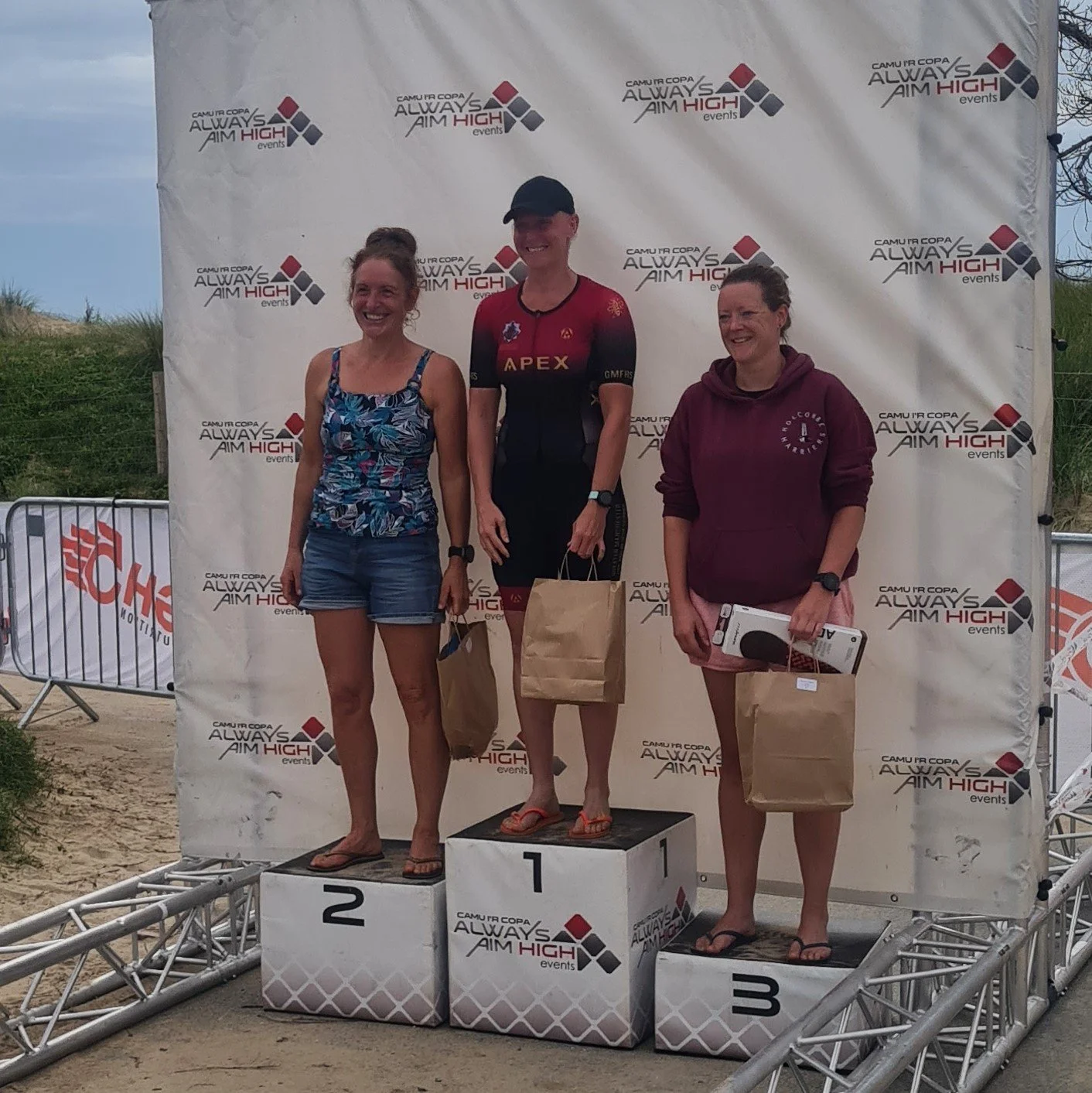
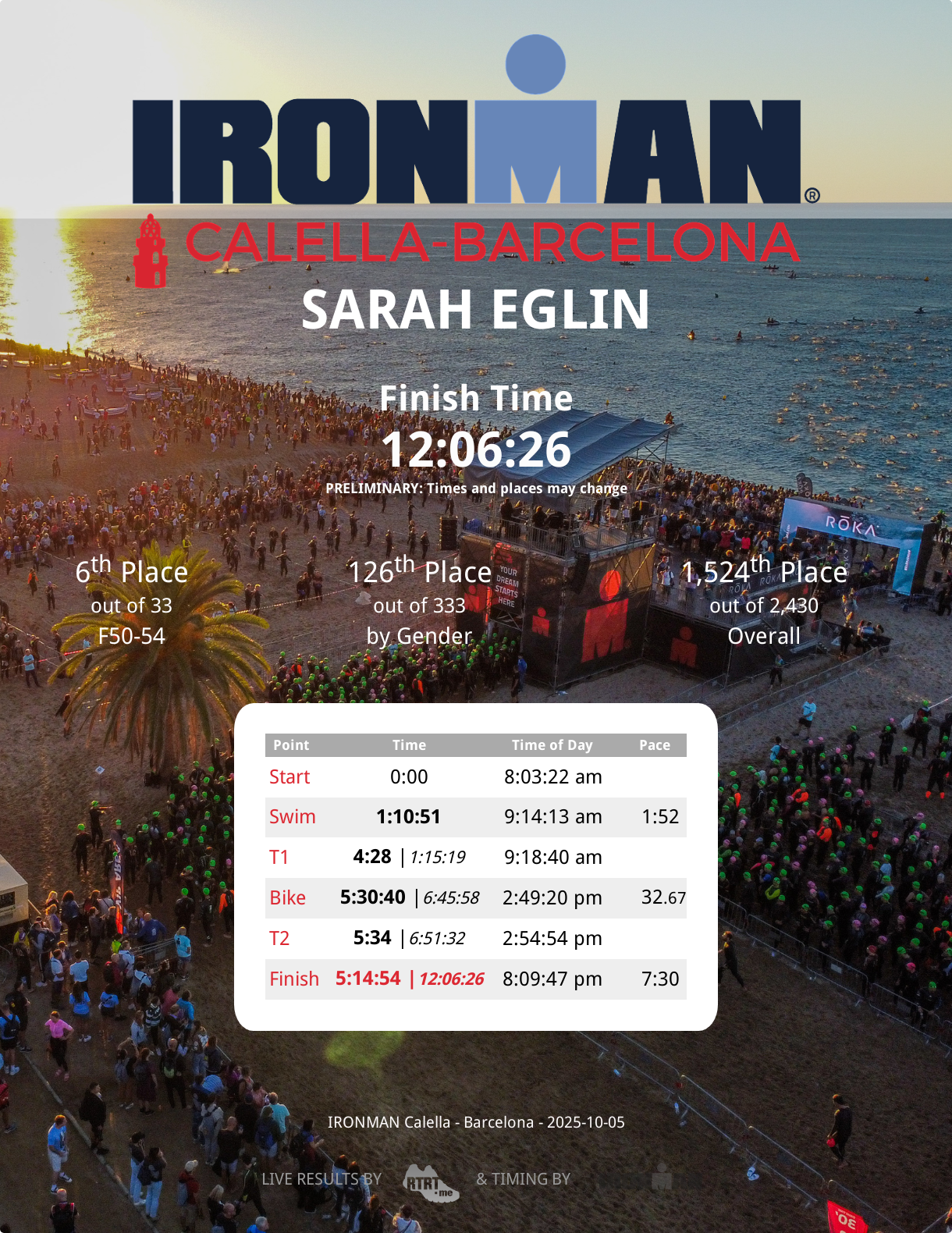
While words can convey the emotional weight and complexity of this experience, seeing the reality often makes the story more impactful. Below is a small snapshot of my journey—from the final days of pregnancy and post-mastectomy recovery to the early stages of chemotherapy.


If you are facing a similar challenge or want to see the complete visual path from those terrifying first moments to where I am today, you can view the full timeline here:

💖 Find Your Support & Strength
“We fall, we break, we fail... But then we rise, we heal, we overcome.”
If you are navigating complex treatment decisions, struggling to manage side effects, and are ready to feel empowered to transform your body into one where cancer cannot thrive, we can support you.
Our Cancer Support Programme is designed to provide the necessary knowledge and guidance to help you make informed choices, manage the side effects of treatment, and achieve your best possible health outcome and quality of life.
If you do not have an active or recent cancer diagnosis but are interested in long-term health and disease prevention, check out our Optimise Health & Healthy Aging Programme for more information.
👋 Let's Stay Connected

If you would like to read more about my personal experience with breast cancer and my journey back to great health—which is the foundation for all my programmes—you can find more in-depth information here:
I look forward to connecting with you and supporting your journey! You can also follow me and join the conversation on:
References & Notes
(1) Hepner A et al. (2019). ‘Cancer During Pregnancy: The Oncologist Overview.’ World J Oncol. Vol:10(1), p28-34. doi: 10.14740/wjon1177. Epub 2019 Feb 26. PMID: 30834049; PMCID: PMC6396773.
(2) NHS website. (2023). ‘What do Cancer Stages and Grades Mean’. Available at https://www.nhs.uk/common-health-questions/operations-tests-and-procedures/what-do-cancer-stages-and-grades-mean/. (Accessed 22 February 2023)
(3) Breast Cancer.Org. (2023). ‘Breast Cancer Hormone Receptor Status’. Available at https://www.breastcancer.org/pathology-report/hormone-receptor-status. (Accessed 22 February 2023)
(4) Middleton JD et al. (2018). Chemotherapy-Exacerbated Breast Cancer Metastasis: A Paradox Explainable by Dysregulated Adaptive-Response.’ Int J Mol Sci. Vol 19(11):3333. doi: 10.3390/ijms19113333. PMID: 30373101; PMCID: PMC6274941.