

Breast Cancer and Pregnancy: My Diagnosis Story
The Unimaginable Diagnosis: Breast Cancer and Pregnancy
Cancer occurring in pregnancy is often termed rare, affecting approximately 1 in every 1,000 pregnancies (1-3). While the medical profession may consider this a small number, to me, this statistic seems alarmingly high. Especially as I was that woman. I was 40 years old and 41 weeks pregnant when I was diagnosed with Stage 2 invasive breast cancer. What should have been one of the happiest times of my life was instantly devastated by a cancer diagnosis while pregnant. The joy of impending motherhood was totally overshadowed by a rollercoaster of fear—for my own life and the life of my then unborn child. My world was turned upside down. I was sent home to give birth (given the imminent timing) and told to return immediately afterward. The pressure to make life-and-death decisions was high, but with raging hormones, "baby brain" taking hold, and a new diagnosis, I was in no position to think clearly.

At around 34 weeks pregnant with my step-daughter Amber.
Navigating the Early Choices: Treatment, Breastfeeding, and Finding Donor Milk
I initially went along with the professionals' recommendations: a full mastectomy, 6 rounds of chemotherapy, radiotherapy, and finally, 10 years of the oestrogen-blocking medication, Tamoxifen. They expected me to unquestionably put my life in their hands. Breastfeeding was a major sticking point. I was determined to breastfeed for as long as possible; I was adamant that I had to give my son the best start I could, cancer diagnosis or not. In those early days, the thought of not breastfeeding was one of the things that upset me most. Because of this desire, the specialists agreed I could have the mastectomy first, rather than starting chemotherapy immediately. At 4 weeks post-partum, I had a single-sided mastectomy and continued to breastfeed. During the daytime, I managed, but overnight, the post-surgery pain was excruciating. It was hell to have Ethan lying on top of me, but I was so determined to continue.
I wanted to delay chemotherapy until the new year, but this was deemed impossible once the oncologist presented us with some rather dire statistics. Within the week, I was at The Christie Hospital in Manchester for my first round of chemotherapy. At 8 weeks post-partum, continuing to breastfeed was no longer an option. I was distraught. But then I discovered the wonderful women who donate milk to breast milk banks. With the support of my GP, we accessed donor breast milk for Ethan via a grant scheme, receiving fully funded milk until he was six months old. It was such a weight off my mind, and I am eternally grateful to those anonymous women for their generosity. It was one less thing to worry about at a terrifying time.
➡️ To read about the immediate outcome of this journey and my ultimate decision on treatment, continue to The Impossible Choice: Why I Stopped Chemotherapy Early.
The Big Wake-Up Call: From Surviving to Thriving
It is almost 7 years now since my diagnosis. If I could tell my 40-year-old self that I would come out the other side a healthier, happier, and emotionally stronger person, I simply would not have believed it. Cancer, it turns out, was to become my final wake-up call. I'd had significant warnings over the years that I wasn’t looking after my body and mind (more on these signs in a later post), but I heeded none. Cancer shook me; it forced me to think deeply about everything: my life, my beliefs, and how I wanted to live in the future. Fundamentally, I wanted to live! Not just for my son or my husband, but for me. And I didn’t just want to survive—which I equated to simply clinging on, being alive but not particularly well. I wanted to thrive! I wanted to be fully back to health. No compromises.
I needed to work out why my health had deteriorated so badly and what I could do to turn that around. Given that the majority of us are so disconnected from how we need to live to be healthy, it is little wonder that one in three adults in developed countries lives with multiple chronic health conditions (3). Moreover, many harmful behaviours are culturally accepted as the norm. My life needed to be different; I had to start making better choices to recover fully—from the birth, the operation, the chemotherapy, and ultimately, from the underlying diseased state my body was in. I needed to transform my ailing body into a body in which disease and specifically cancer cannot thrive. I felt empowered.
📸 A Visual Timeline: My Journey
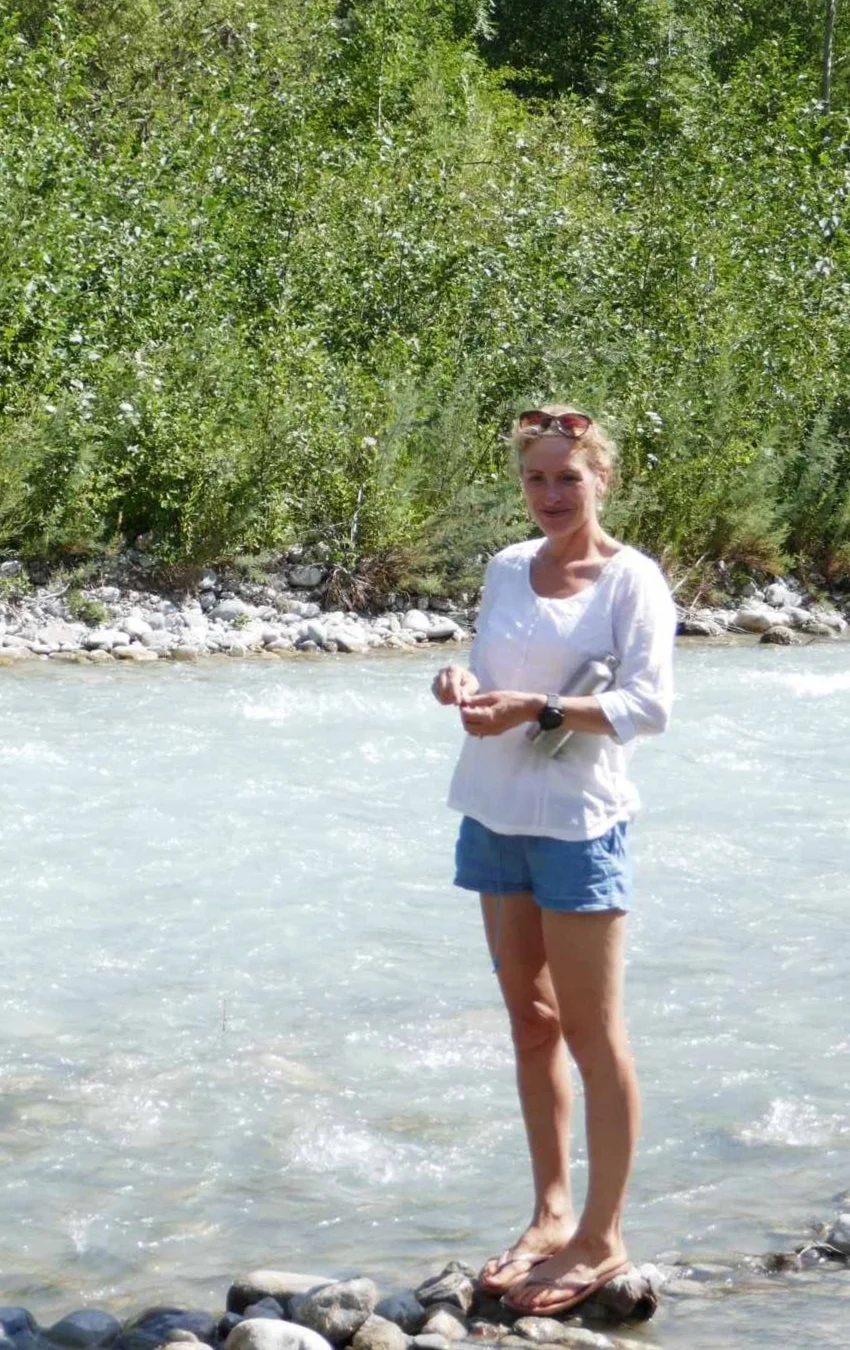
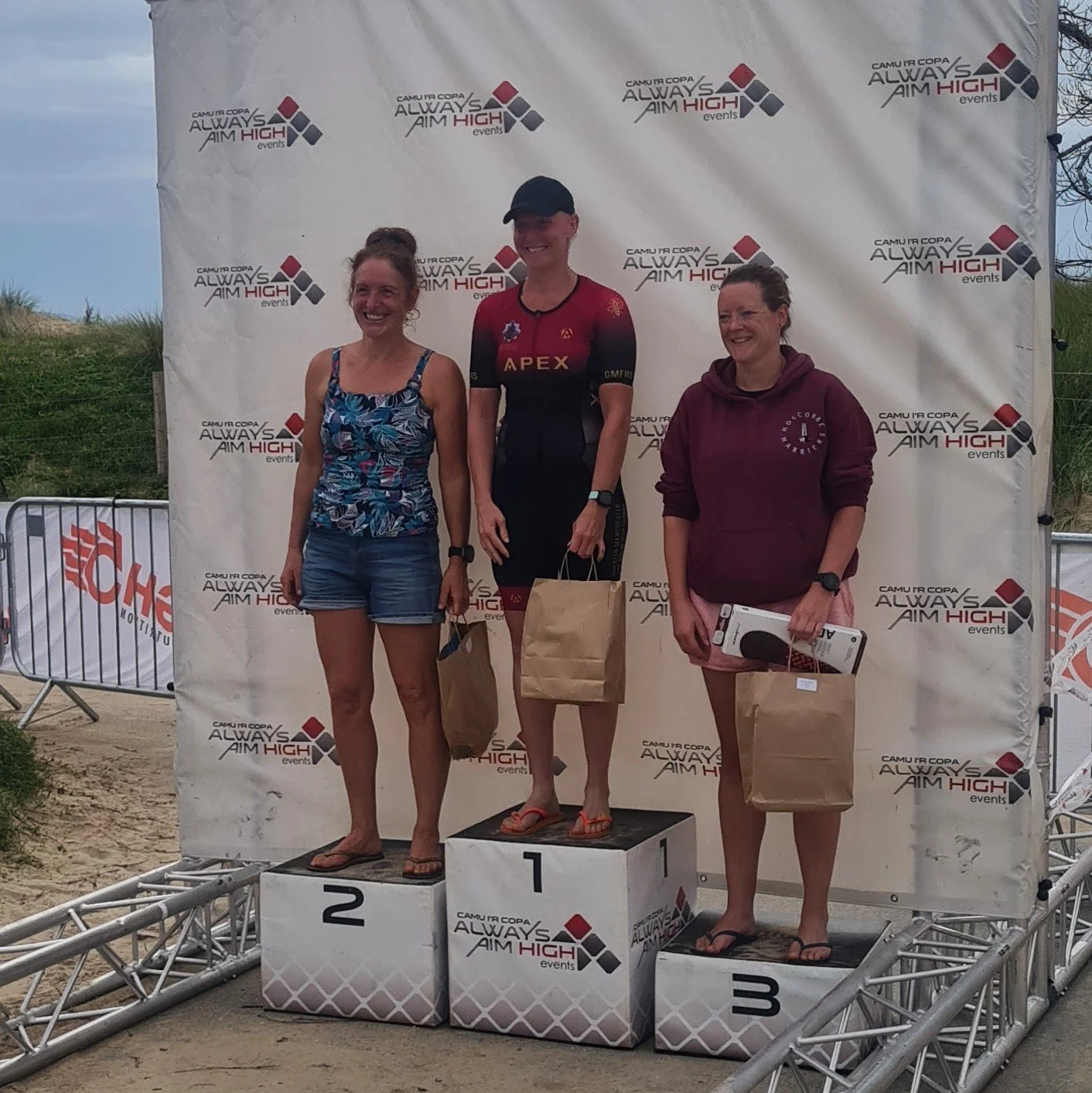
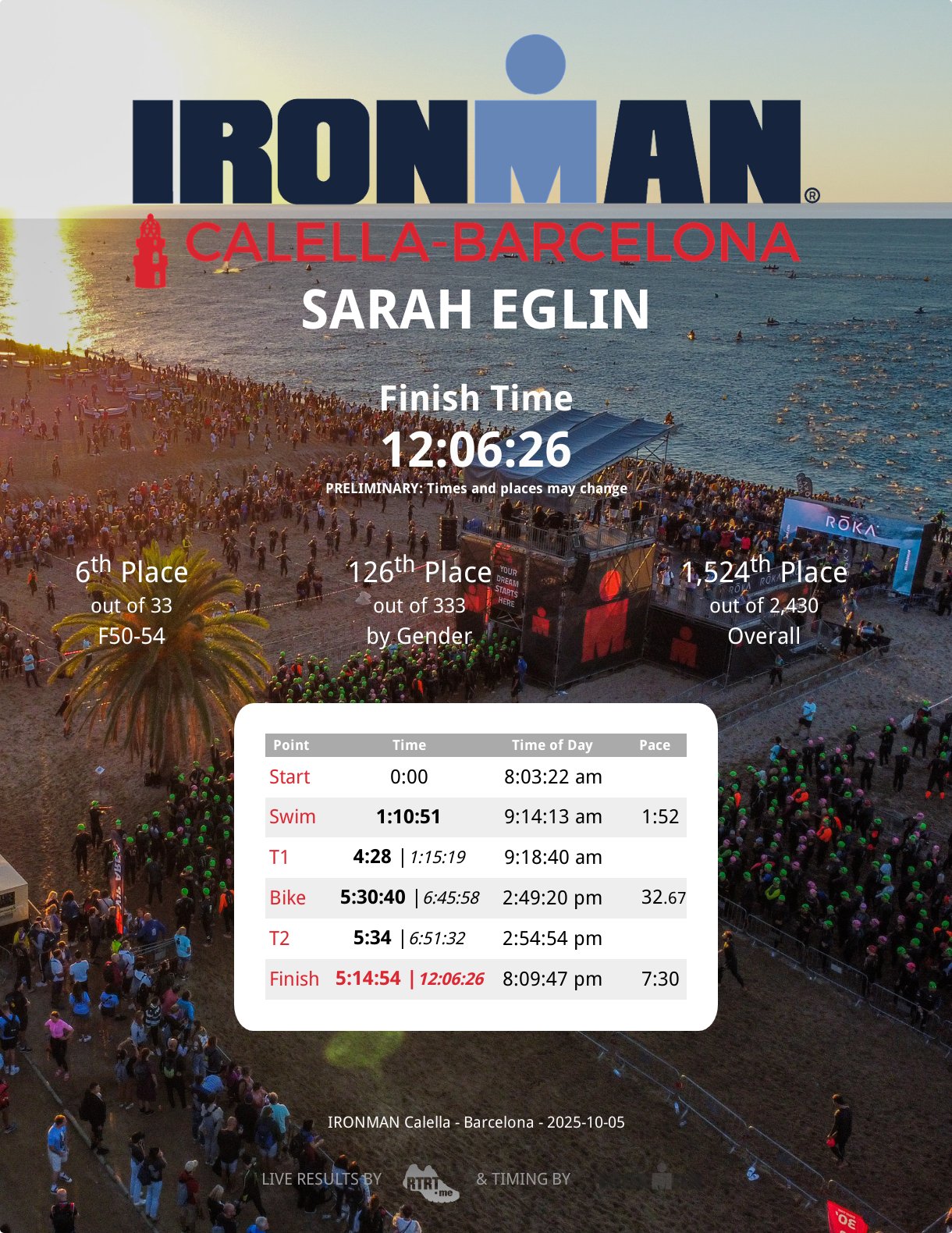
While words can convey the emotional weight and complexity of this experience, seeing the reality often makes the story more impactful. Below is a small snapshot of my journey—from the final days of pregnancy and post-mastectomy recovery to the early stages of chemotherapy and beyond.


If you are facing a similar challenge or want to see the complete visual path from those terrifying first moments to where I am today, you can view the full timeline here:
Ready to Take Control?
“We fall, we break, we fail... But then we rise, we heal, we overcome.”
If you, like me, want to become empowered to take back control of your health, to turn your ailing body into one in which cancer cannot thrive, we can support you. Our Cancer Support Programme is designed to provide the knowledge and sustainable changes necessary to support your healing journey and achieve your best possible health outcome.
👋 Let's Stay Connected

If you would like to read more about my personal experience with breast cancer and my journey back to great health—which is the foundation for all my programmes—you can find more in-depth information here:
I look forward to connecting with you and supporting your journey! You can also follow me and join the conversation on:
➡️ Find out how I finally rebuilt my strength and achieved my health goals in the next post: Getting Fit After Chemotherapy.
References & Notes
(1) Hepner A et al. (2019). ‘Cancer During Pregnancy: The Oncologist Overview.’ World J Oncol. Vol:10(1), p28-34. doi: 10.14740/wjon1177. Epub 2019 Feb 26. PMID: 30834049; PMCID: PMC6396773.
(2) Nationwide registeries do not usually combine both obstetrical and oncological data, resulting in a likely underestimation of the incidence of cancer-related miscarriages or abortions. Also, population-based studies differ in inclusion criteria, often incorporating postnatal cancer diagnoses (3). An true view of incident rate is therefore difficult to obtain.
(3) Maggen C et al. (2020). ‘International Network on Cancer, Infertility and Pregnancy (INCIP). Pregnancy and Cancer: the INCIP Project.’ Curr Oncol Rep. 2020 Vol 22(2): 17. doi: 10.1007/s11912-020-0862-7. PMID: 32025953; PMCID: PMC7002463.
(4) Hajat C & Stein E. (2018). ‘The global burden of multiple chronic conditions: A narrative review.’ Prev Med Rep. Vol 12, p284-293. doi: 10.1016/j.pmedr.2018.10.008. PMID: 30406006; PMCID: PMC6214883.