

The Anti-Cancer Plate, Part 2: 5 More Essential Foods Recommended by a Nutritional Therapist
🌱 Diet and Cancer: 5 More of the Best Anti-Cancer Foods
In my last post, I discussed the first 5 of the best anti-cancer foods and explained why they are essential to your daily diet. Today, we dive deeper to complete the picture, focusing on 5 more anti-cancer foods that are vital additions to your plate.
These ten foods—all sourced from the powerful plant and fungi kingdom—provide a myriad of healing anti-cancer nutrients and phytochemicals. These compounds work synergistically on the body, from the anti-metastatic properties of certain phytonutrients to the immune-stimulating power of fibre (known to be protective against colorectal, stomach, ovarian, endometrial, and breast cancer).
Food is such a powerful tool in the quest to reduce cancer risk and modify the biological behaviour of tumours. I want to help empower you to make informed food choices—choices that will help you not only survive your cancer diagnosis but enable you to be thriving long after it.
Here, I talk about 5 more of the best anti-cancer foods you can eat and explain what makes each one special.

🍇 5 More Essential Anti-Cancer Foods for Daily Nutritional Support
1) Dark Leafy Greens: Binding Carcinogens with Chlorophyll
Dark leafy greens (such as chard, kale, parsley, spinach, and watercress) are the most nutrient-dense foods on the planet, offering the most nutrition per calorie (1). This fact alone illustrates why they are non-negotiable for a daily anti-cancer diet.
If you need more persuasion, consider chlorophyll. This green compound, essential for photosynthesis, has also been demonstrated to have significant anti-cancer benefits in humans. Chlorophyll binds to carcinogens, effectively preventing these compounds from accessing our DNA and potentially causing mutations (1). The more dark leafy greens you eat, the more chlorophyll you have available to neutralize threats.

2) Other Vegetables: The Power of Variety (Including Mushrooms & Alliums)
The term 'vegetable' encompasses roots, stems, pods, flowers, and leaves, each with a unique nutrient profile. To gain all the available health benefits (2), eating a diverse assortment is crucial. Don't limit yourself to the usual staples—aim to consume a wide spectrum, including artichokes, asparagus, beetroot, courgette, peppers, carrots, seaweeds, squash, sweet potatoes, and tomatoes.
Researchers analyzing 34 common vegetables against human cancer cells noted that "a diversified diet, containing several distinct classes of vegetables is essential for effective prevention of cancer" (3). Since inflammation is a key hallmark of cancer (5), and variety predicts decreased inflammation (4), diversity is your anti-cancer strategy.
Focus on Key Groups:
Mushrooms: These beauties contain unique myconutrients only obtainable from the fungi kingdom. Studies show mushroom consumption can both boost the immune system (6), supporting anti-cancer function, and reduce inflammation (7). White mushrooms have been shown to block the enzyme oestrogen synthase, which breast tumours can use to fuel growth. One study demonstrated that women who ate just half a mushroom a day had 64% lower odds of breast cancer (8). (I will discuss medicinal mushrooms like Reishi and Turkey Tail in a separate post dedicated to integrative oncology).
The Allium Family (Garlic, Onions, Leeks): Of all the vegetables tested in the study mentioned above (3), those with the greatest anti-cancer properties were either cruciferous vegetables (discussed in the previous blog) or from the allium family.
3) Flaxseeds: The Lignan Key to Hormone-Sensitive Cancers
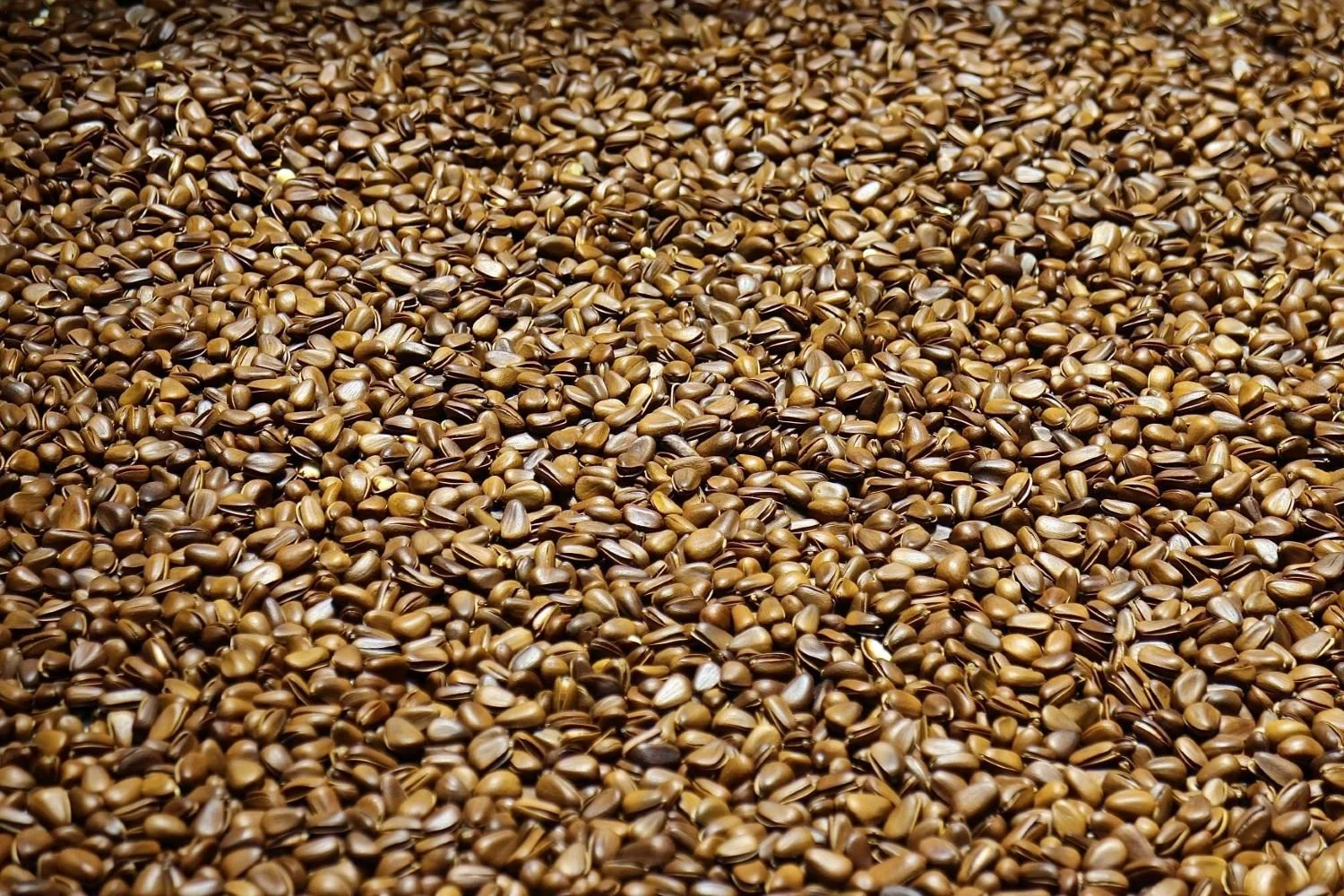
Flaxseeds are amazing gifts from nature. They are a great source of fibre and the richest plant source of essential Omega-3 fatty acids.
⚠️ Essential Tip: Flaxseeds MUST be Ground. To access the lignans and Omega-3s, flaxseeds must be ground (using a coffee grinder or blender) right before you eat them. If consumed whole, they often pass through the digestive tract undigested, rendering their benefits unavailable.
Their anti-cancer power comes from lignans. Flaxseeds contain more than 100 times the level of lignan precursors than any other food. Lignans are phytoestrogens that, once activated by your good gut bacteria (yet another reason to eat more plants!), can reduce the effect of the body’s own oestrogen. This is critical for hormone-sensitive cancers:
Lignan intake is associated with significantly reduced breast cancer risk in postmenopausal women (8).
Dietary flaxseed has the potential to reduce tumour growth in patients with breast cancer (9).
Lignans have been shown to slow down the growth of prostate cancer in a petri dish (10).
My Personal Commitment: I have been religiously eating ground flaxseeds ever since my breast cancer diagnosis and certainly intend to carry on doing so!
4) Nuts and Seeds: Concentrated Nutrient Power
Nuts and seeds (including Brazil nuts, walnuts, chia, hemp, pumpkin, sunflower, and sesame seeds) are, botanically, all seeds. They are incredibly health-promoting because they contain, in concentrated amounts, all the essential nutrients needed to grow into a mature plant or tree.
As with all plant subgroups, consuming a wide variety is key to reaping all their unique benefits:
Sesame Seeds: Rich in manganese, copper, calcium, and B vitamins. They contain lignans with anti-oxidant and anti-cancer properties and phytosterols associated with cholesterol and oestrogen management.
Pumpkin Seeds: A rich source of protein, Omega fats, and vital minerals (manganese, zinc, copper, magnesium). They also contain lignans and are particularly rich in the phytosterol B-sitosterol.
Aim for a different mix every single day—they are the perfect, nutrient-dense additions to any cancer fighting foods list.
5) Herbs and Spices: Antioxidant Powerhouses
Herbs and spices (including turmeric, oregano, cinnamon, ginger, garlic, rosemary, and thyme) not only provide wonderful flavour and aroma for our meals, but they are also potent anti-oxidant powerhouses. Thanks to their intense colours and flavours, they protect our cells from damage, thereby reducing the risk of mutations that lead to cancer.
Turmeric: One of the most well-studied spices. Its phytochemical component, curcumin, is a potent anti-inflammatory that has been shown to play a role in preventing a variety of cancers, including multiple myeloma, colon cancer, and pancreatic cancer (1).
Oregano: The herb with the highest antioxidant content. Studies have shown it reduces DNA damage, with researchers stating that oregano may "act as a potent radio protective agent" (11).
Again, variety is essential, as each herb and spice contains its own unique blend of anti-cancer nutrients. Make a point of adding these delicious, aromatic additions to your culinary repertoire to maximize your anti-cancer protection.


💡 Putting Knowledge into Action: Your 10 Best Foods
Food is an extremely powerful tool in the prevention of cancer. By implementing all 10 of the best anti-cancer foods into your daily routine—from chlorophyll-rich greens to lignan-packed flaxseeds—you are actively creating a body in which cancer cannot thrive. Plant foods contain a wide variety of anti-cancer components, making them the most essential part of your diet.
If you haven't yet read about the first five foods in this series, please read my previous blog post, Diet and Cancer: 5 of the Best Anti-Cancer Foods.
While diet is absolutely foundational to both recovery and prevention, thriving after a cancer diagnosis requires a holistic strategy that goes far beyond food. To ensure you address every area of well-being, learn about the other nine essential pillars that complete the transformation in Your Roadmap to Thriving: The 10 Essential Anti-Cancer Factors.
Overwhelmed? Your Roadmap to Positive Change
I appreciate and know from my own experience that implementing all this information can be a little overwhelming. There is so much conflicting information out there regarding diet and cancer that you may not know what to believe anymore, which is especially challenging after a recent diagnosis. I have been in your situation and felt totally overwhelmed.
If this is where you are now, please know that there are many positive, tangible steps you can take. I can help you determine where best to focus, to introduce positive food choices and lifestyle changes, and support you on your journey back to health.
Your Next Step: Structured Support
If you would like to understand more about which other diet and lifestyle modifications can significantly reduce your risk of cancer recurrence, support you through your cancer journey, and help you implement sustainable life-long changes, our Cancer Support Programme is the definitive answer.
If you do not have an active or recent cancer diagnosis and are interested in ensuring that you stay this way by implementing a structured cancer prevention diet, check out our Optimise Health & Wellbeing Programme for more information.
👋 Let's Stay Connected

In my personal experience with breast cancer and my journey back to great health—which is the foundation for all my programmes—you can find more in-depth information here:
I look forward to connecting with you and supporting your journey! You can also follow me and join the conversation on:
References
(1) Gregor M. (2016). How Not to Die. London. Macmillan.
(2) Dias JS. (2012). ‘Nutritional quality and health benefits of vegetables: a review.’ Food and Nutrition Sciences. Vol 3(10), p1354-1374.
(3) Biovin D et al. (2009). ‘Antiproliferative and antioxidant activities of common vegetables: a comparative study.’ Food Chem. Vol 112, p347-380.
(4) Bhupathiraju SN, Tucker KL. (2011). ‘Greater variety in fruit and vegetable intake is associated with lower inflammation in Puerto Rican adults.’ Am J Clin Nutr. Vol 93(1), p37-46.
(5) Hanahan D, Weinberg RA. (2011). ‘Hallmarks of Cancer: The Next Generation.’ Cell Vol 144 (5), p646-674.
(6) Jeong SC, Koyyalamudi SR. (2011). ‘Dietary intake of Agaricusbisporus white button mushroom accelerates salivaray immunolobulin A secretion in healthy volunteers.’ Nutrition. Vol 28(5), p527-531.
(7) Jesenak M et al. (2014). ‘Anti-allergic effect of Pleuran (B-glucan from Pleurotus ostreatus) in children with recurrent respiratory tract infections.’ Phytother Res. Vol28(3), p471-4.
(8) Buck K et al. (2010). ‘Meta-analyses of lignans and enterolignans in relation to breast cancer risk.’ Clin Nutr. Vol 92(1), p141-153.
(9) Thompson LU et al. (2005). ‘Dietary flaxseed alters tumour biological markers in postmenopausal breast cancer.’ Clin Cancer Res. Vol 11(10), p3828-3835.
(10) Lin X, Switzer BR. (2001). ‘Effect of mammalian lignans on the growth of prostate cancer cell lines.’ Anticancer Res. Vol 21(6A), p3995-3999.
(11) Arami S et al. (2013). ‘The radioprotective effects of Origanum vulgare extract against genotoxicity induced by (131)I in human blood lymphocyte.’ Cancer Biother Radiopharm. Vol 28(3), p201-206.