

The Anti-Cancer Plate: 5 Best Foods Recommended by a Nutritional Therapist
🥦Diet and Cancer: 5 of the Best Anti-Cancer Foods
In my last post, I discussed the powerful lifestyle factors that can improve your chances of thriving after cancer. One of the most significant changes many long-term cancer survivors make is a radical overhaul of their diets. Diet and cancer are profoundly linked, and the food choices we make are arguably the most powerful decision we take multiple times every day.
I want to help you move beyond confusion to make informed food choices—choices that will not only help you survive your diagnosis but enable you to be thriving long after it. Following a dedicated cancer prevention diet is about stacking the deck in your favour.
Here, I talk about 5 of the best anti-cancer foods out there and explain the specific nutritional science that makes each one essential for your daily diet.
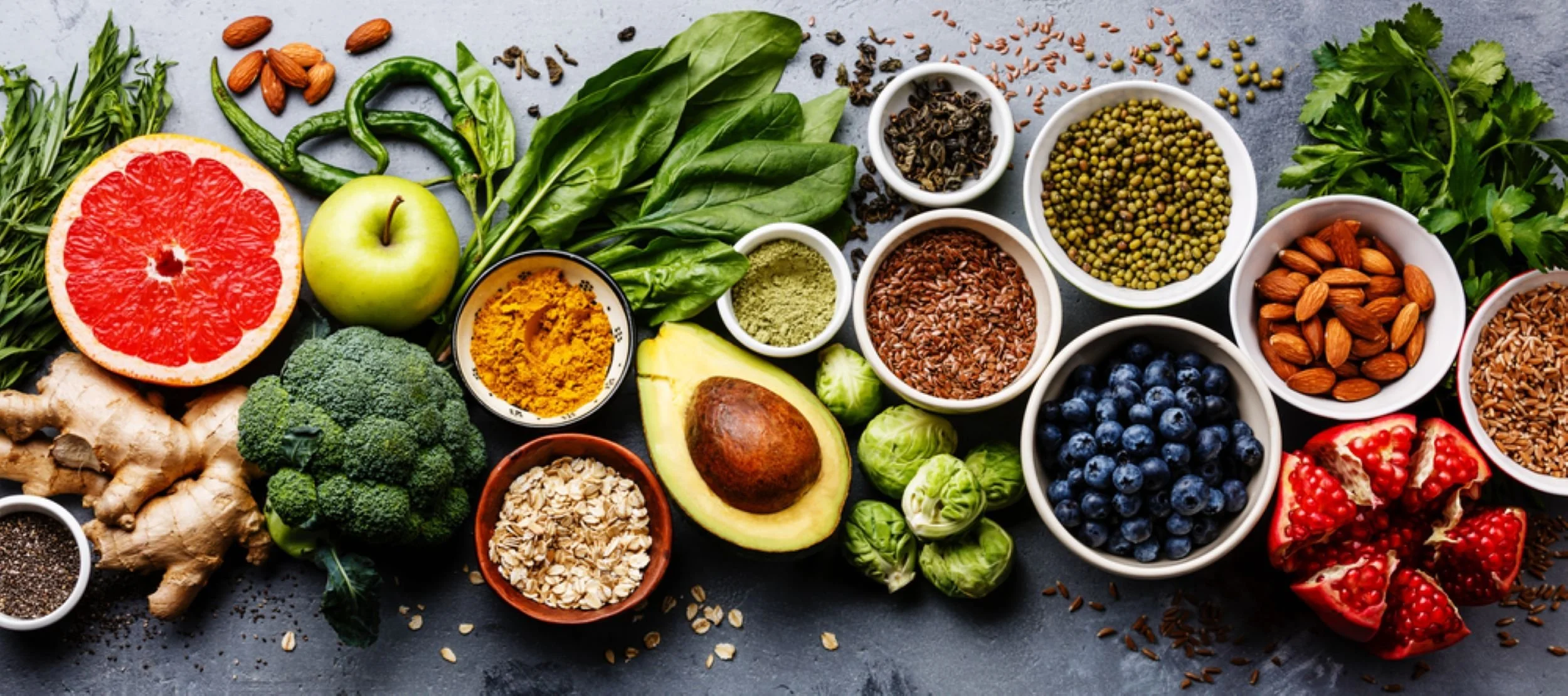
🍎 5 of the Best Anti-Cancer Foods for Daily Nutritional Support

1) Legumes and Beans: The Cancer-Fighting Powerhouse
Legumes are a vast group including: chickpeas, all varieties of beans (e.g., black, kidney, pinto, cannellini), split peas, lentils (red, brown, green, puy), edamame, tofu, and tempeh.
In 2007, the American Institute for Cancer Research (AICR) published a landmark analysis of diet and cancer (1). This report included a key prevention recommendation: wholegrains and/or legumes should be eaten with every meal. That is a powerful daily commitment!
Legumes are nutritional powerhouses for several reasons:
Fibre Protection: Diets high in fibre are known to be protective against several types of cancer, including colorectal, stomach, ovarian, endometrial, and breast cancer.
Protein Source: They provide high-quality protein, containing all nine essential amino acids, making them an excellent replacement for animal protein.
Nutrient Dense: They are rich in protein, iron, and zinc, along with high levels of folate, potassium, selenium, magnesium, and B vitamins.
Crucially, legumes contain active phytochemicals that scientists believe play a direct role in cancer prevention:
Saponins: Shown to inhibit the reproduction of cancer cells and slow tumour growth.
Protease Inhibitors: Help slow the division of cancer cells.
Phytic Acid: Demonstrated to significantly slow the progression of tumours.
These factors firmly plant these tasty little morsels among the best anti-cancer foods out there, while simultaneously lowering your risk of heart disease and diabetes.
2) Wholegrains: Reducing Chronic Inflammation
Wholegrains include: brown rice, millet, oats, rye, popcorn, bulgur wheat, couscous, barley, polenta, whole-wheat pasta, and whole-grain bread, plus the pseudo-grains quinoa, buckwheat, and wild rice.
The same seminal AICR study (1) recommended that wholegrains and/or legumes be eaten with every meal. Their anti-cancer properties are so potent that this means consuming them three times a day, every single day! All grains must be consumed in their whole form and not refined.
One of the primary hallmarks of cancer is chronic inflammation (2), and wholegrains have been demonstrated in a myriad of studies to reduce key inflammation markers in the body, such as C-Reactive Protein (CRP). In fact, for each daily serving of wholegrains, CRP concentrations have been estimated to reduce by around 7% (3)—powerful news for any cancer prevention diet.
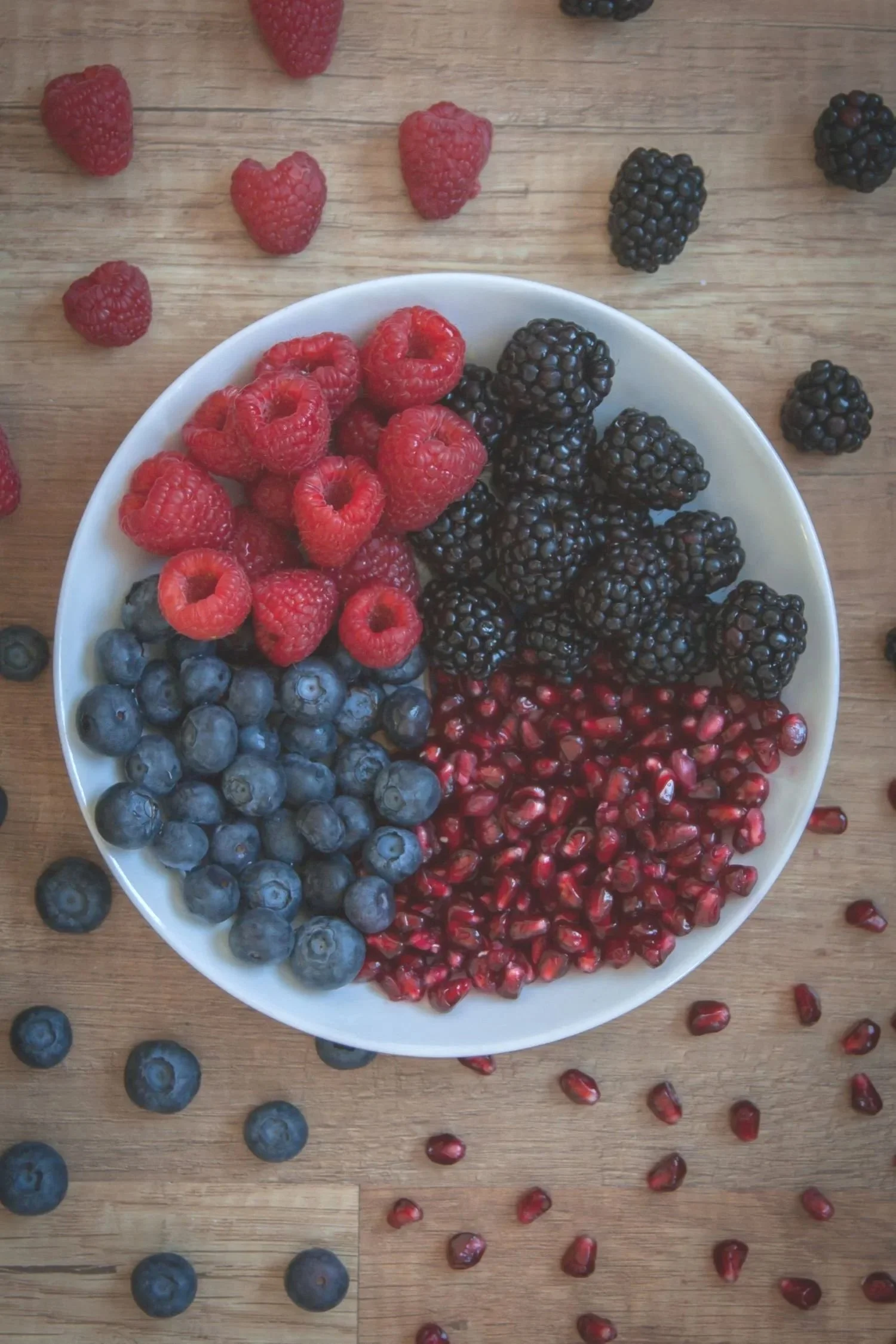
3) Berries: Anti-Proliferative and Anti-Metastatic Power
All fruits are fantastic anti-cancer foods, but berries are arguably the healthiest of all. Due to their vibrant, deep colours (such as Açai, blackberries, blueberries, cherries, goji, mulberries, raspberries, and strawberries), they are intensely packed with antioxidants. The colours themselves are the antioxidants, so make it a habit to choose the darkest berries, the reddest strawberries, and the bluest of blueberries.
In addition to being powerful antioxidants, certain berries have been shown in studies to contain a wide variety of active anti-cancer components that can:
Inhibit tumorigenesis (the formation of a tumour).
Suppress tumour growth.
Exhibit anti-proliferative (stopping cell division) and anti-metastatic (stopping cancer spread) properties.
4) Other Fruits: Inhibiting Angiogenesis
This broad category includes fruits like apples, citrus, mangoes, melons, pomegranates, and prunes. Similar to berries, the more colourful the fruit, the higher the antioxidant concentration.
However, fruits (and vegetables) contain a host of other beneficial components known as phytonutrients. Many of these have been shown to:
Act as anti-proliferative agents.
Inhibit angiogenesis (the formation of new blood vessels, which is key to enabling tumour growth).
Stimulate the immune system and promote effective detoxification of carcinogens.
The impact of some fruits is especially well-documented. For example, studies have shown that eating just one apple a day (with the skin on!) resulted in a 24% lower risk of breast cancer, as well as significantly lower odds of ovarian, laryngeal, and colorectal cancer compared to those who averaged less than one apple per day (4). That is the power of a small daily habit!

5) Cruciferous Vegetables: The Sulforaphane Detox Powerhouse
This group, including bok choy, broccoli, Brussel sprouts, cabbage, cauliflower, kale, radishes, and watercress, is non-negotiable for an anti-cancer diet.
Cruciferous vegetables have been shown to potentially prevent DNA damage, reduce the risk of prostate cancer progression, increase the liver's ability to detoxify carcinogens, and suppress metastatic spread (5).
The primary component responsible for these benefits is sulforaphane. Sulforaphane is the result of a chemical reaction between its precursor compound and an enzyme called myrosinase, which is denatured (deactivated) by heat.
Therefore, to obtain the greatest amount of this powerful anti-cancer component, you must pay attention to preparation:
Eat it Raw: Great for cabbage, kale, radishes, and rocket. Simply cut or grate them into salads.
Chop and Wait: If you prefer to cook them (e.g., steaming broccoli), chop the vegetable about 40 minutes prior to cooking. This gives the myrosinase enzyme time to work its magic and create the maximum amount of sulforaphane before the heat deactivates it.
💡 Putting Knowledge into Action
Food is an extremely powerful tool in the prevention of cancer. Plant foods contain a wide variety of anti-cancer components, which makes them the very best anti-cancer foods available. I hope that I have helped you to understand why these 5 food groups are among the most essential for a cancer prevention diet.
While diet is absolutely foundational to both recovery and prevention, thriving after a cancer diagnosis requires a holistic strategy that goes far beyond food. To ensure you address every area of well-being, learn about the other nine essential pillars that complete the transformation in Your Roadmap to Thriving: The 10 Essential Anti-Cancer Factors.
I appreciate and know from my own experience that all this information can feel overwhelming. There is so much conflicting advice out there regarding diet and cancer that you may not know what to believe anymore, which is especially challenging after a recent diagnosis. I have been in your situation and I felt totally overwhelmed. If this is where you are now, please know that there are many positive, tangible steps you can take. I can help you determine where best to focus, to introduce more positive food choices and lifestyle changes, and support you on your journey back to health.
Your Next Step: Structured Support
If you would like to understand more about which other diet and lifestyle modifications can significantly reduce your risk of cancer recurrence, support you through your cancer journey, and help you implement sustainable life-long changes, our Cancer Support Programme is the definitive answer.
If you do not have an active or recent cancer diagnosis and are interested in ensuring that you stay this way by implementing a structured cancer prevention diet, check out our Optimise Health & Healthy Aging Programme for more information.
👋 Let's Stay Connected

If you would like to read more about my personal experience with breast cancer and my journey back to great health—which is the foundation for all my programmes—you can find more in-depth information here:
I look forward to connecting with you and supporting your journey! You can also follow me and join the conversation on:
References
(1) World Cancer Research Fund / American Institute for Cancer Research. Food, Nutrition, Physical Activity, and the Prevention of Cancer: a Global Perspective. Washington, D.C.: AICR, 2007.
(2) Hanahan, D & Weinberg, RA. (2011). ‘Hallmarks of Cancer: The Next Generation.’ Cell Vol 144 (5), p646-674.
(3) Lefevre, M & Jonnalagadda, S. (2012). ‘Effect of whole grains on markers of subclinical inflammation.’ Nutr Rev. Vol 70(7), p387-96
(4) Gallus et al. (2005). ‘Does an apple a day keep the oncologist away?’ Ann Oncol. Vol 16(11), p1841-4
(5) Gregor, M. (2016). How Not to Die. London. Macmillan.