

Health Span & Longevity: Why the London Marathon 2075 is Already in My Diary
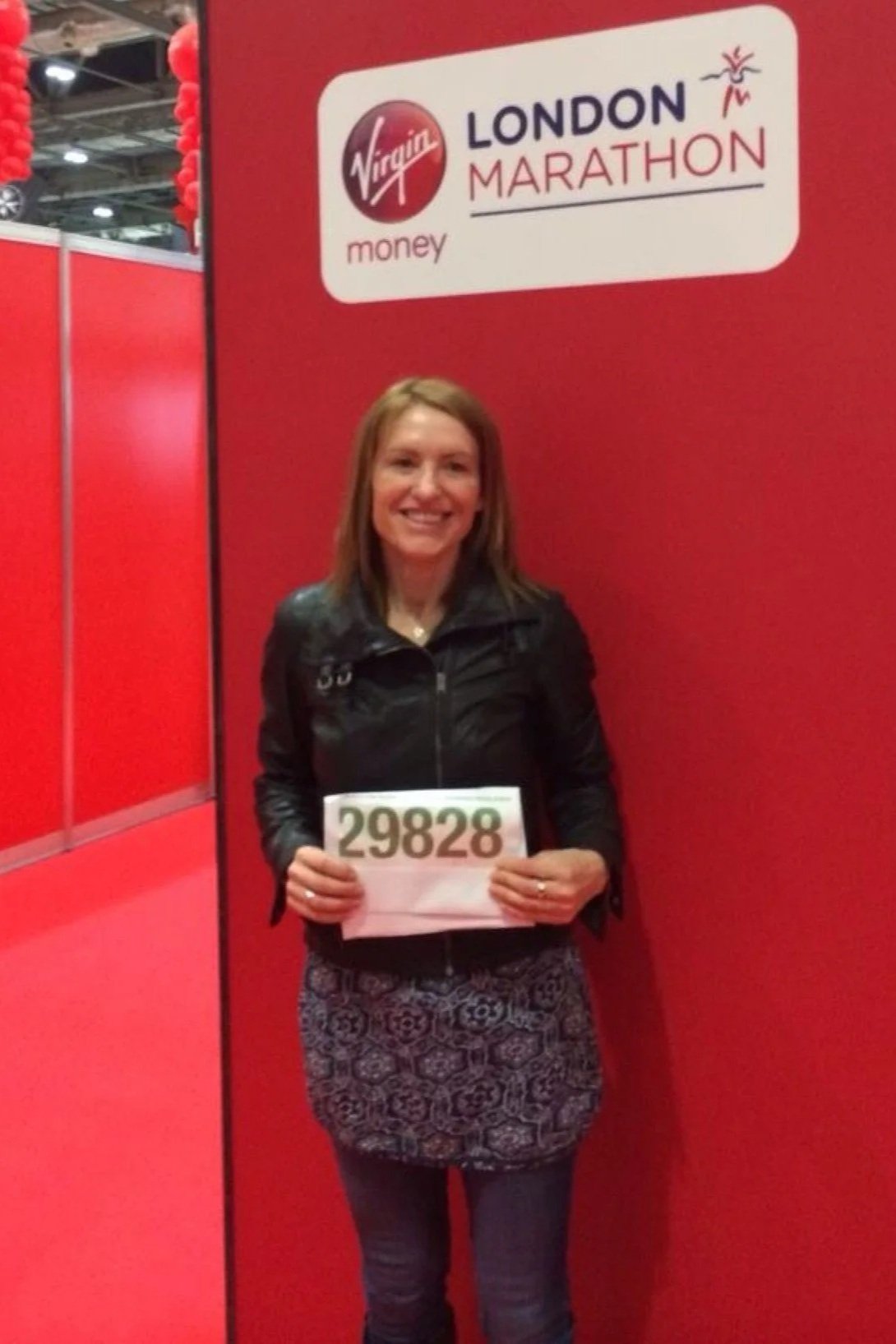
2014 London Marathon: picking up my number and chip timer
April 2014: A Picture of Health
In April 2014, I was 38 and approaching the peak of my fitness, collecting my race number for the London Marathon. As an avid amateur runner and triathlete, running the London Marathon that year was an unforgettable experience.
I crossed the finish line in a personal best (PB) of 3 hours 21 minutes, and though far from a record, it felt like a monumental achievement. The atmosphere was incredible—over 40,000 runners, thousands of cheering spectators lining the course, bands playing, and the sun shining. With family and friends watching, it was truly unique, and I knew I had to return.
On the face of it, I was the picture of health.
Yet, fast forward just three years and my life had changed beyond recognition. The dream of running a marathon was a distant memory, and the thought of returning to London suddenly took on a profound, new meaning for me.
September 2016 – The Diagnosis
In September 2016, at 41 weeks pregnant with my first and only child, I received a diagnosis of breast cancer. While there is never a "good time" for such news, receiving it while imminently bringing a much-longed-for new life into the world felt like the cruelest twist.
The sheer volume of emotions was overwhelming. The joyful anticipation of maternity leave quickly transformed into a terrifying rollercoaster: simultaneously embracing new life while fearful I might not live to see my son grow up. It was, without a doubt, the most challenging period of my life.
➡️To read the full, in-depth story of how that day unfolded, see My Diagnosis Story Post.
The Medical Path
Like many people facing a severe diagnosis, my husband and I initially followed the advice of the medical experts. Given the tumor's size and its highly oestrogen-receptive nature, the prescribed conventional treatment was aggressive: a left-sided mastectomy, followed by six rounds of chemotherapy, radiotherapy, and ten years of Tamoxifen (an anti-oestrogen medicine).
With a heavy heart, I underwent the mastectomy four weeks post-partum. I desperately hoped to delay chemotherapy to continue breastfeeding, but the initial meeting with the oncologist was shattering. He stressed the dire statistics on recurrence and death without treatment, effectively instilling fear in us both.
Consequently, just eight weeks after giving birth, I found myself sitting in that dreadful chair. My dreams were in pieces, my beautiful baby was being cared for by my mother, and poisonous chemicals were being injected directly into my bloodstream. At that time, it felt like my only option. I tried to put on a brave face, but my health rapidly went downhill. I endured three treatments, each one taking a progressively harder toll on my body, with the severity and number of side effects mounting. I felt dreadful.
January 2017 – The Turning Point
The fourth round of chemotherapy was scheduled for late January 2017. Before this, I attended a much-needed yoga and meditation workshop, where the teacher asked me a question few people feel comfortable posing to someone undergoing cancer treatment. With genuine interest, she asked:
“So Sarah, what do you think has caused your cancer?”
It was the perfect question. Initially taken aback, as I hadn't had the time or energy to consider such thoughts, my mind soon started whirling. No medical professional had talked to me about the likely cause or causes before; I hadn’t given it a thought.
That simple question ignited a spark. It triggered an intense period of self-analysis where I looked back at my life over the previous few years and considered the lifestyle factors and events which could have been contributing factors.
I suddenly felt a surge of empowerment. The awareness that my own choices and behaviours were likely the cause—even if unconscious at the time—brought me immense hope. I realised I was not simply reliant on others to 'fix' me; I had a huge, proactive role to play in my own recovery and long-term health.
From Diagnosis to Empowerment
That moment of self-analysis—realising that my own choices and behaviours were the likely cause and could therefore be the cure — was the birth of my proactive health journey. If you are facing a diagnosis and are ready to take control, exploring how nutritional therapy and lifestyle medicine can support you is the critical first step.
The Breaking Point and Final Decision
For my last three scheduled rounds of chemotherapy, the chemical protocol changed and was apparently even more toxic. There was now a significant risk that the nerves in my extremities (hands and feet) could be permanently damaged — a condition known as neuropathy. I was required to wear ice gloves and feet covers to reduce this risk, on top of the ice hat I was already wearing (which, unfortunately, did not prevent hair loss).
The fourth round completely wiped me out. The ice gloves and feet mitts, combined with the chemical cocktail being pumped into my veins, made me throw up repeatedly during the procedure. It was truly awful. Afterwards, I remember crawling into the bath at home and looking at myself in the mirror. I appeared as close to death as I possibly could have been while still living, with enormous black circles under my eyes and sickly, yellowy-grey skin. I felt that the treatment was actively killing me, and I knew then that I could not take any more.
Taking Control of My Hormone Health
As soon as I was physically able, I started reading and researching—a difficult task while managing a four-month-old and battling my dire state of health. I started by looking into Tamoxifen, the anti-oestrogen medicine. Intuitively, it did not sit well with me that I should be taking a medication that blocks such an important and vital female hormone. While I understood the medical rationale, I felt the long-term risk of negative effects was too high.
My initial digging and thought processes, combined with the intolerable side effects I was suffering, were leading me in only one direction. By the end of the day, I had reached my absolute conclusion:
I was not having any more chemotherapy. I was not going to have radiotherapy. And I was not going to take a medication that would block the activity of my oestrogen hormones.
I had made my decision.
Now back to London Marathon
Stepping away from the medical recommendations inevitably created some difficult situations, particularly within my family. While most friends were incredibly supportive, appreciating that the final decision had to be mine, a few strongly disagreed, leading to strained conversations.
A few days after making my decision, I had a rather heated discussion in the park with a good friend who felt pulling out of chemotherapy was rash. He argued that my brief research could not possibly compare to years of oncology training. I respected his point, but I knew, deep down, that this was the right decision for me; the treatment was causing more harm than good.
Critically, I no longer feared the dire prognosis I had been given. I now felt empowered knowing that I could take a multitude of positive steps—using nutritional therapy and lifestyle changes — to mitigate the many factors that I believed had contributed to my cancer (I will drill down on these factors in future posts).
The Promise of 2075
It was at this time I recalled the widely reported story of Fauja Singh, who ran the London Marathon in 2012 at the age of 101. His journey, having only taken up running at 89, was profoundly inspiring and had clearly left an imprint on my memory.
As the conversation with my friend escalated, that inspiration suddenly coalesced into a powerful declaration:
“Look, you really do not need to worry about me, I’m going to be around for a long, long time. I’ve made a promise to myself, and I will be running the London Marathon when I’m 100!”
He told me not to be ridiculous and walked off, shaking his head in despair (we are, thankfully, still good friends).
As crazy as that statement may have sounded—spoken by a 41-year-old, recently diagnosed with cancer, and suffering terribly—that declaration has remained a focal point ever since.
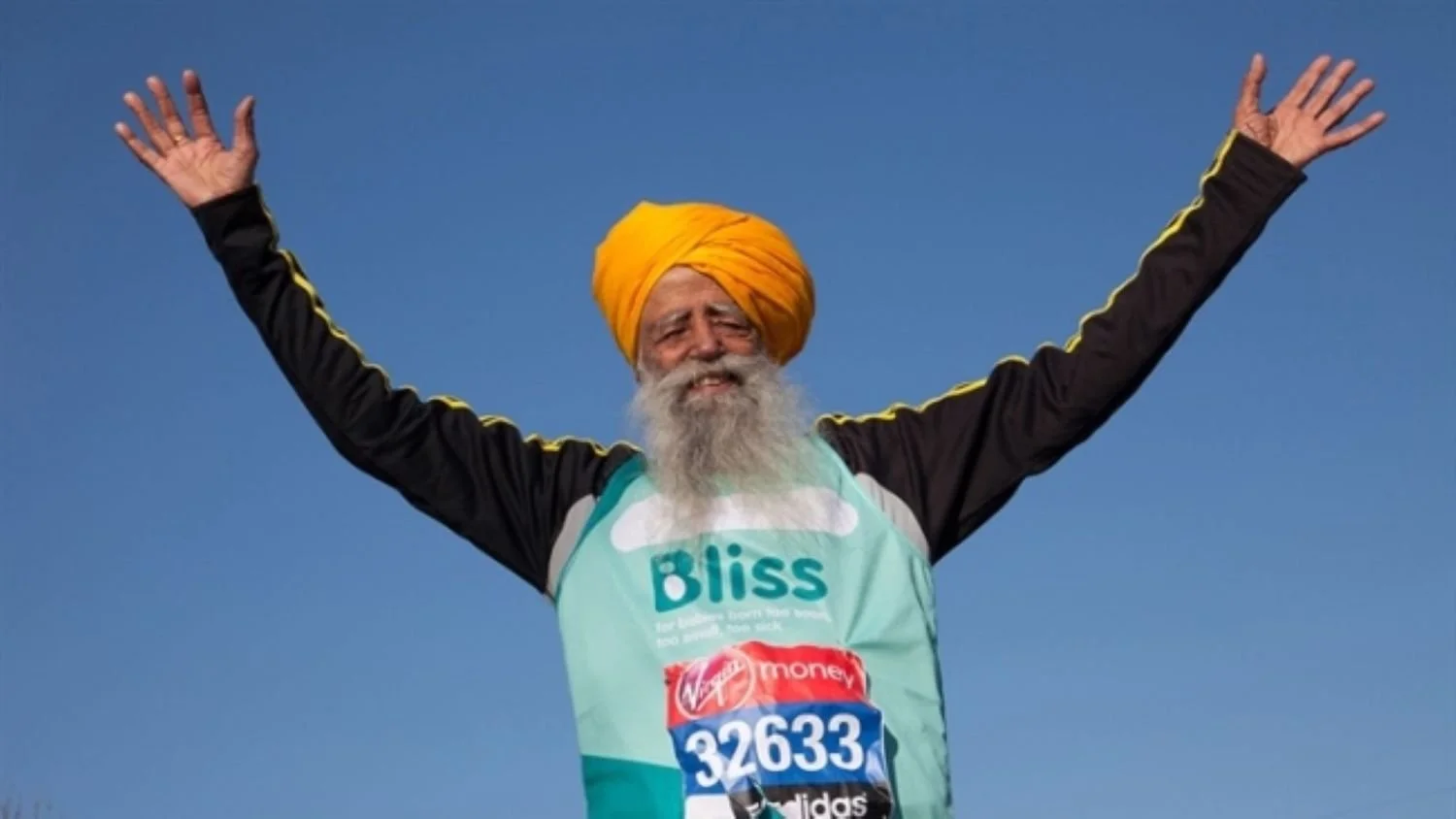
Fauja Singh: London Marathon 2012 (aged 101)
➡️ This goal was set during a major turning point in my health journey. To understand the bold decision that initiated my path to recovery, read about why I chose to stop chemotherapy early.
Planning for Longevity 🏃♀️
My goal of running the marathon in 2075 isn't just about running; it's about making a commitment to my Health Span — ensuring I remain fit and healthy long into old age. This long-term commitment requires practical, immediate action.
➡️ To see the specific steps I took to rebuild my fitness, manage fatigue, and reclaim my health after chemotherapy, continue reading the next chapter of my journey: Getting Fit After Chemotherapy.
Plan Your Own Longevity
If you are ready to stop managing symptoms and take a proactive approach to longevity, prevent chronic disease, and build a vibrant future for yourself, explore my structured health programmes. We use the 6 Pillars of Health to help you achieve your most ambitious long-term goals.
➡️ View our 8 Core Specialist Programmes, including Cancer Support, Optimise Health & Chronic Health.
The actual achievement of running that marathon is, perhaps, less relevant than the striving itself. I just need to keep believing that I will and that I can, and the only way I can keep that belief alive is by remaining fit and healthy in the here and now.
And that purpose keeps me motivated to do my utmost, day after day, to maintain a body in a state where cancer cannot thrive.
👋 Let's Stay Connected

If you would like to read more about my personal experience with breast cancer and my journey back to great health—which is the foundation for all my programmes—you can find more in-depth information here:
I look forward to connecting with you and supporting your journey! You can also follow me and join the conversation on: