

Mind, Movement & Our Focus Going Forward
Hello everyone, and welcome back to the blog.
I can hardly believe we’re already in the final stretch of 2026. With the UK summer behind us and autumn well and truly here, it’s that natural time of year to take stock.
If there’s one thing I’ve learned by the time you hit 50, it’s that living a healthy, fulfilled life isn't about chasing a "perfect" routine. Let’s be honest—that’s completely unrealistic, and quite frankly, exhausting! For me, true health is about constant evolution: adapting as life changes, challenging your brain, keeping your body moving in ways that bring you joy, and making space for what actually nourishes you.
In this post, I wanted to pull back the curtain a little on my own year. From finally sticking to French and chasing ambitious new running goals to hanging out on mountain bike trails with my son, it’s been a busy one. I’m also sharing how my focus at Eglin Health is evolving as we head into the months ahead. Let's dive in.
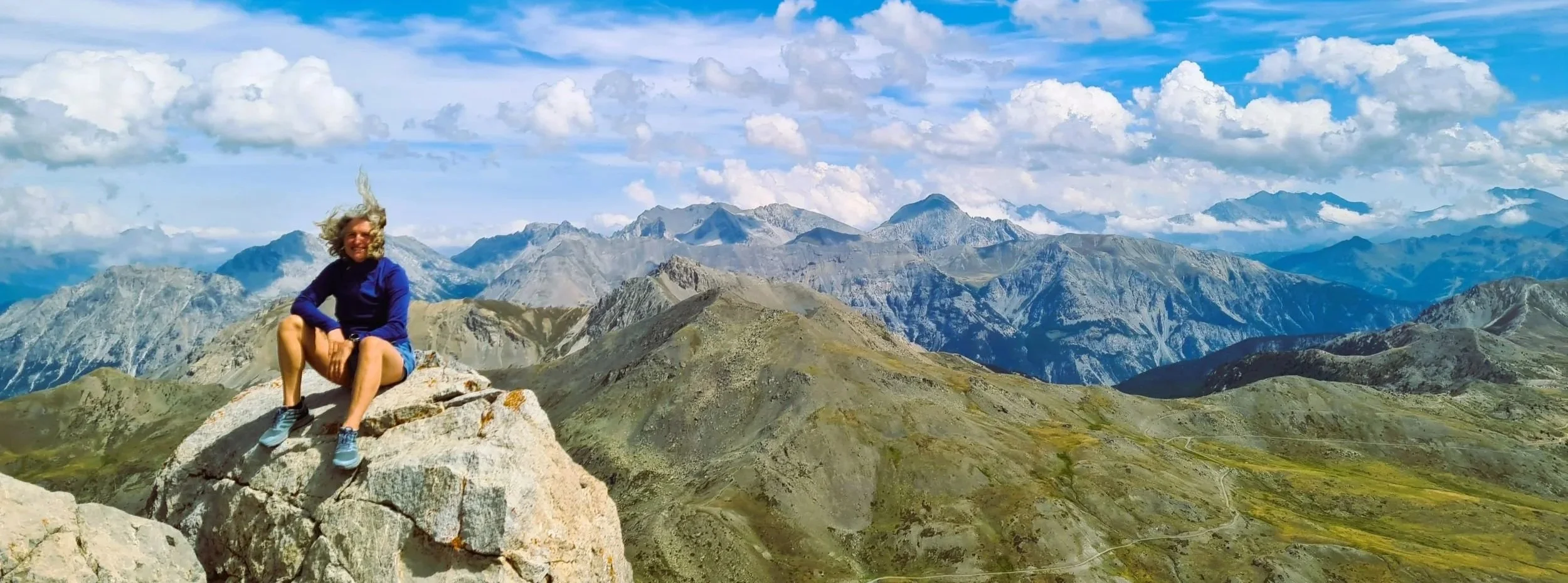
Le Grand Aréa - Aug 2026
Refocusing Fitness: Chasing PBs at 50
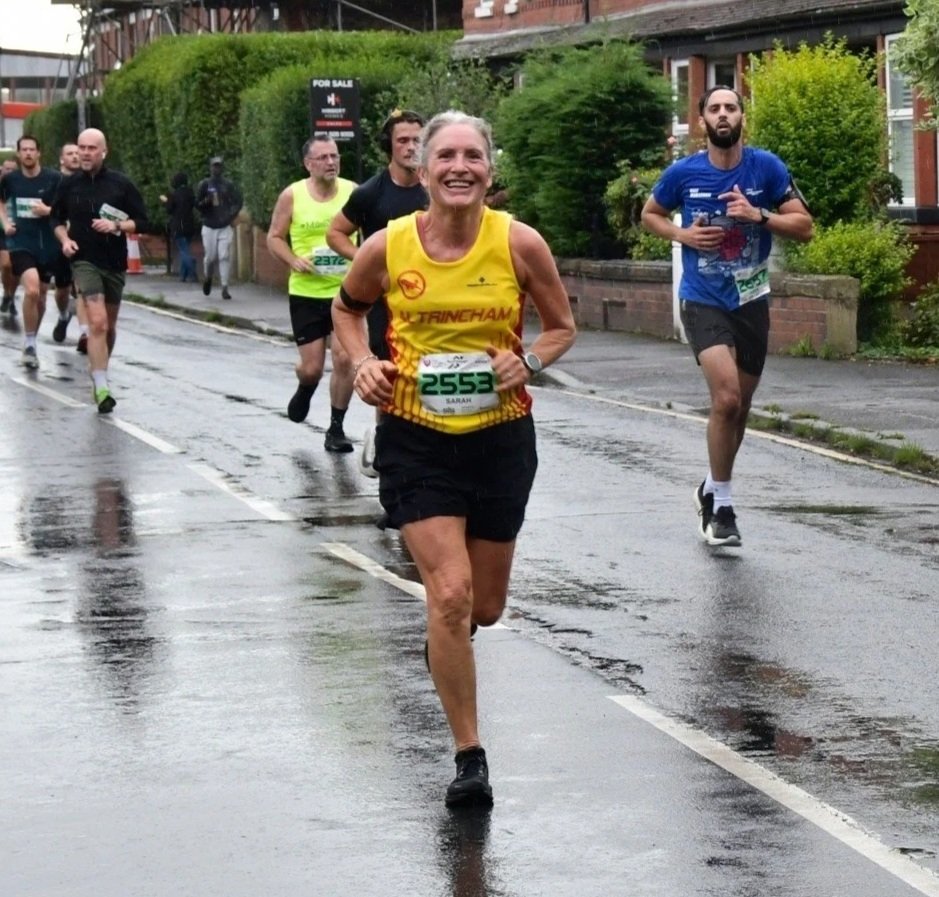
Sep 26: Altrincham 10K
If you’ve read any of my previous blogs, you’ll know how important exercise and fitness are to me. However, after completing the Ironman last year, I decided to switch my focus—the training was intense, too intense in all honesty, and I needed to channel my energy elsewhere. My swimming is purely occassional, while the road bike has been parked. Although, this has simply been replaced with a mountain bike thanks to my son’s new favourite pastime.
And I’ve set myself some new goals. I want to be able to run as fast as I once did! I’m not talking about the kind of sprinting speed of my teens, because I doubt that is possible; I’m talking about the endurance pace of 10 to 15 years ago, the pace I was running at before I quite literally ran myself into the ground. That pace should be achievable. Yes, I’m 50, but our endurance paces can and do improve beyond this point. I see that in others, and I am planning to do it myself.
So, I sadly left my triathlon club and have joined my local running club—Altrincham DAC—to make running a top priority for the foreseeable future, giving myself the rather ambitious, long-term goal of beating all of my previous personal bests (PBs) across every major running distance (5k, 10k, Half Marathon, and Marathon). I like to aim high!
The Reality of Now
To be completely honest, I am nowhere near breaking three of these records today! As you can see from the table below—in 2014, just 12 years ago, I ran the London Marathon at an average pace that I can’t even hold for a 5K right now. In the main, I am miles off my historic peak times, but I won't let that put me off. I am convinced it’s possible if I put the work in. And that power of belief, so powerful for health, is powerful for all areas of life. It reminds me of one of my favourite quotes: "Whether you think you can, or you think you can't—you're right."

However, one of my PBs looks to be achievable in the not-too-distant future! The exception to the rule is my 10K PB, which is not so far off where I am currently running. The reason being that this wasn’t a distance I actually raced that often, so I don’t really have a PB that reflects my best running. But it is the PB that I have per my England Athletics records, so it will be the PB that I am trying to beat. Perhaps by my 2027 update, I’ll have this one in the bag!
The 5k, Half Marathon, and Marathon distances are much longer-term goals—not too long, as I may then be too old! But certainly two-year goals, I think. And I am fine with this. I want to do this safely and sensibly by building my strength, power, and endurance gradually. I clearly do not want to run myself into the ground again. Everything I do now has my health and longevity right up there as my primary goal. Nothing else is as important, so all other goals—and I do love a goal—need to work synergistically with this.
Mountain Adventures with the Family
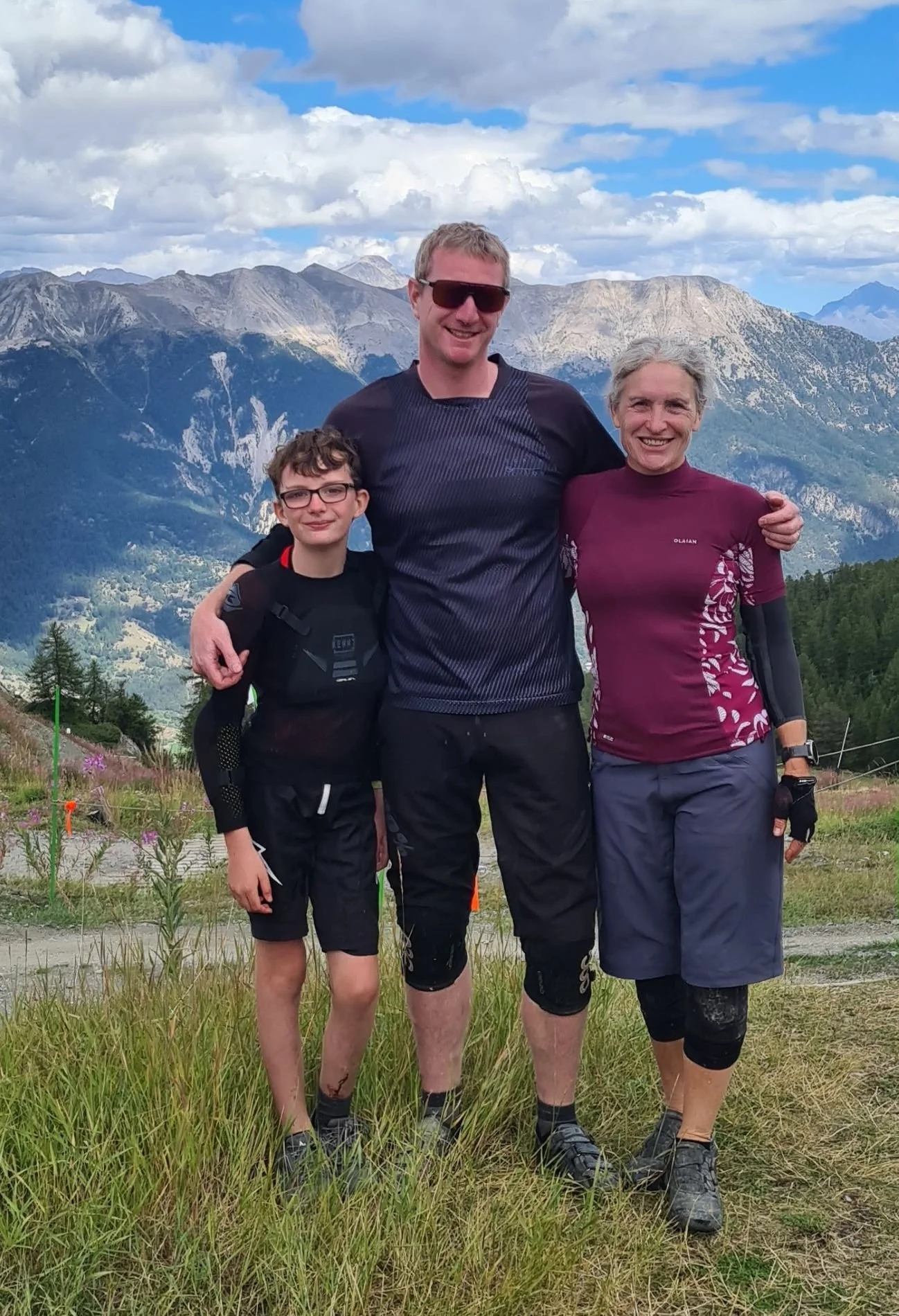
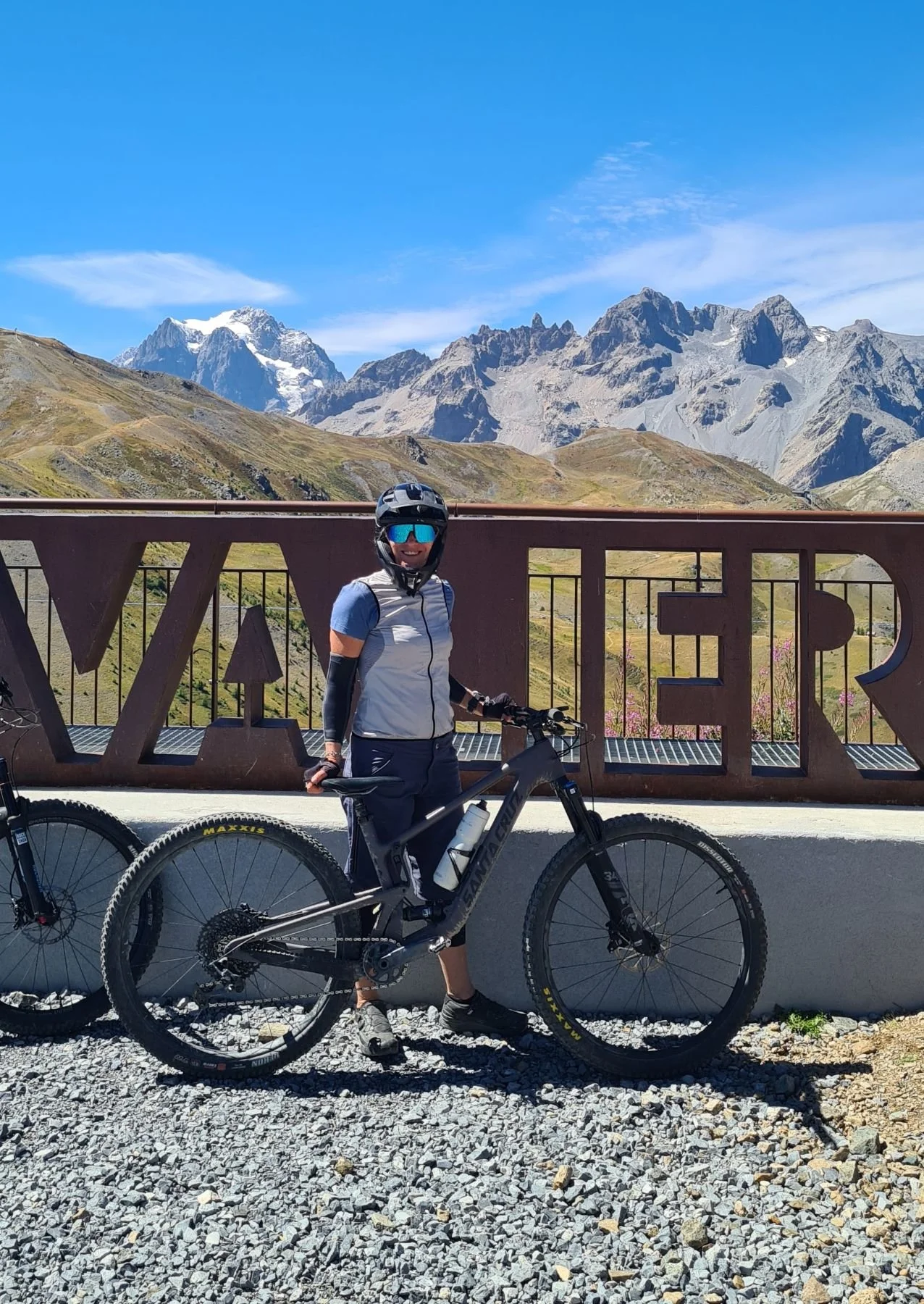
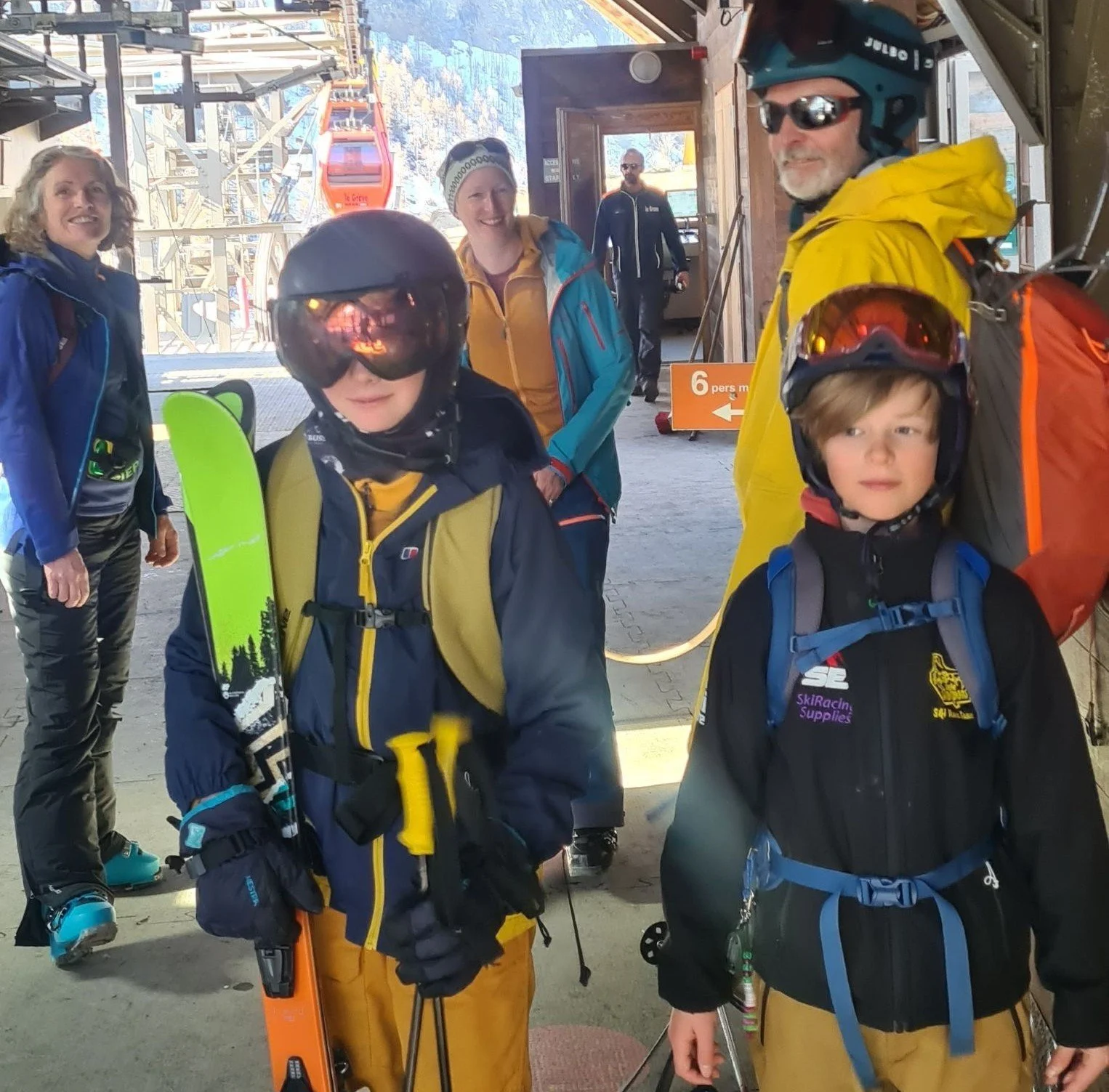
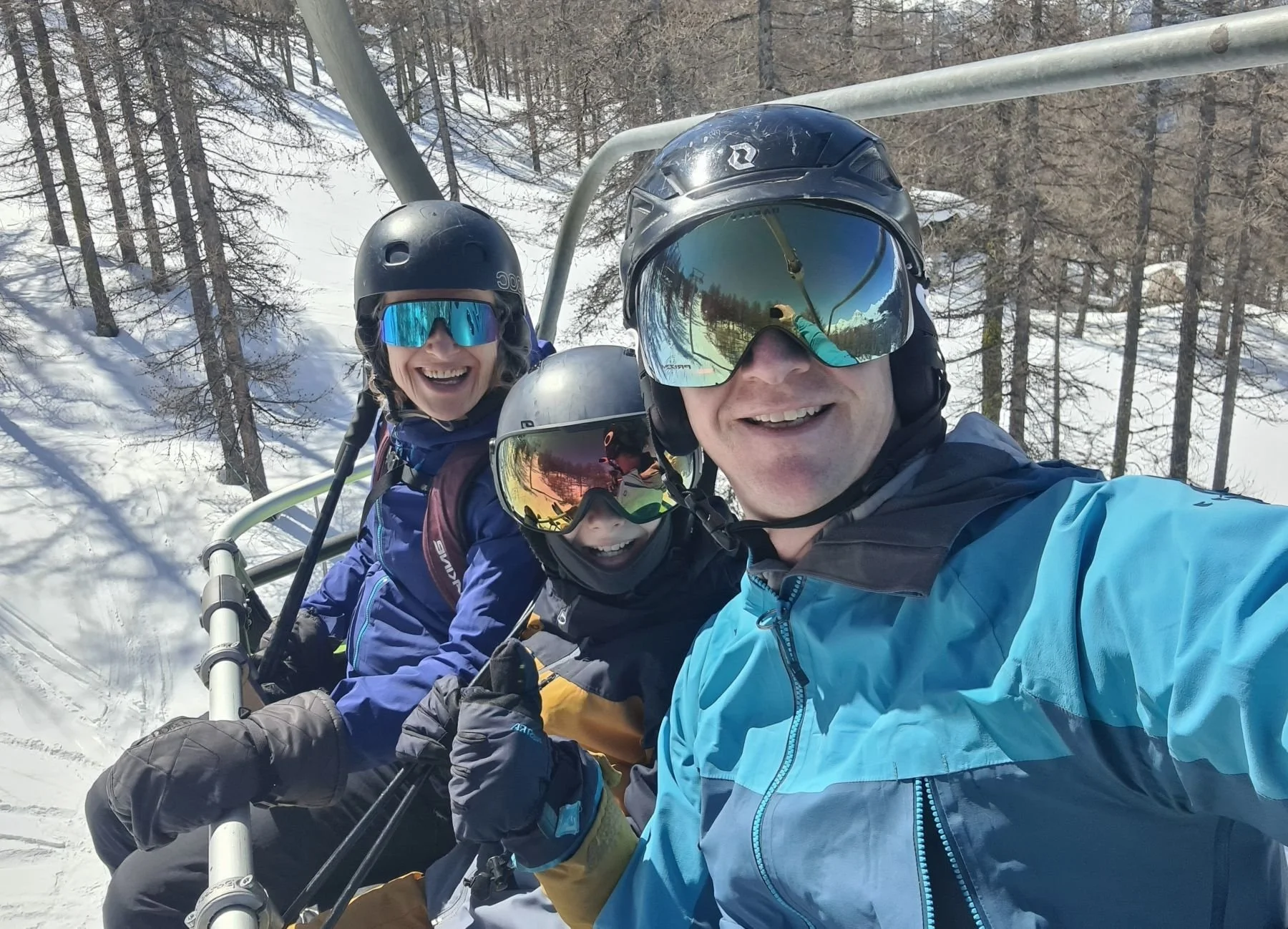
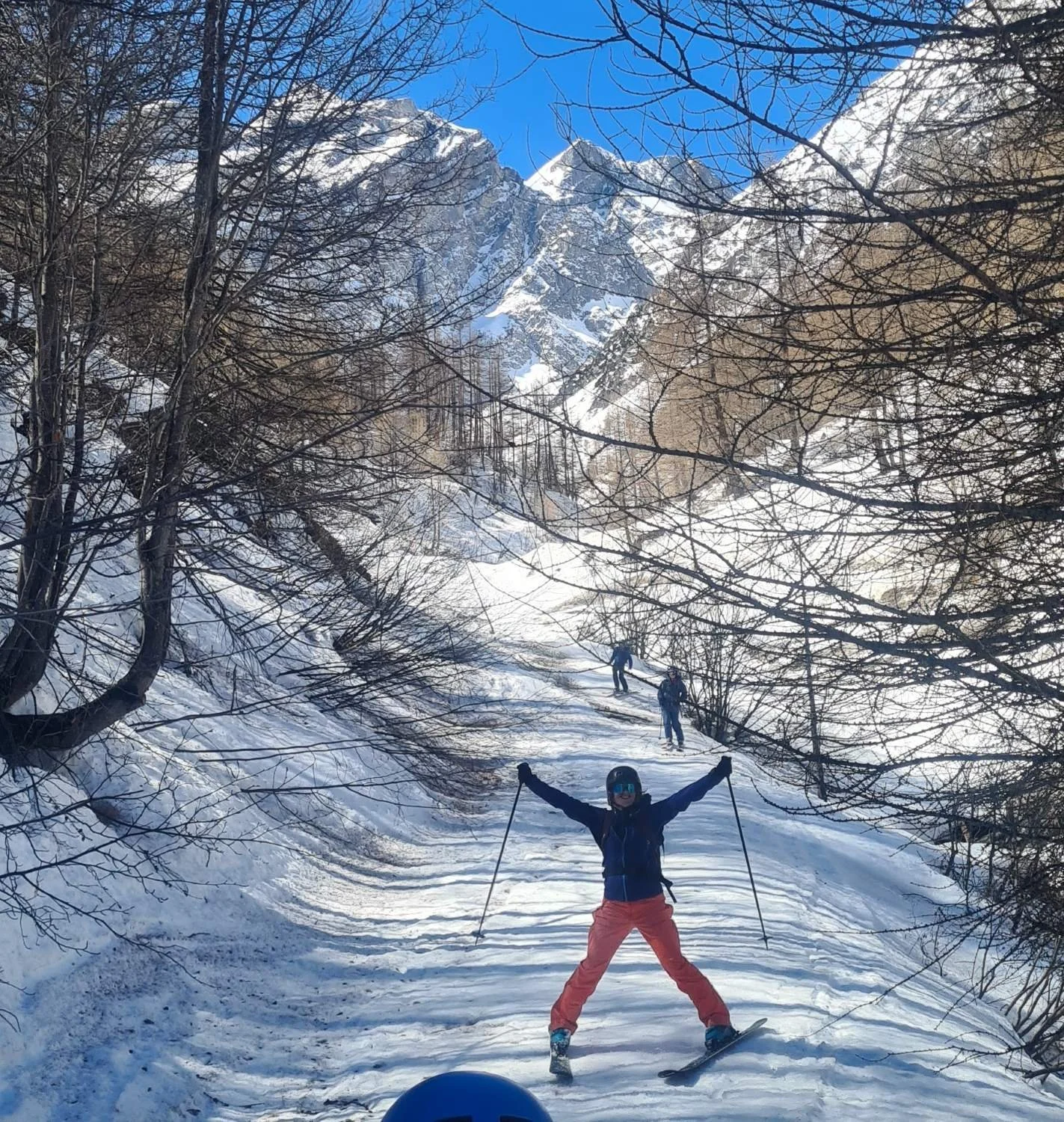
As a family, we spend most of our school holidays in the French Alps, doing the things we love in the place we love the most—the mountains. While I do love a beach, I am very much at home in the mountains. I love the majesty of the peaks, the clean mountain air, the stunning views, and the vast array of mountain sports to enjoy!
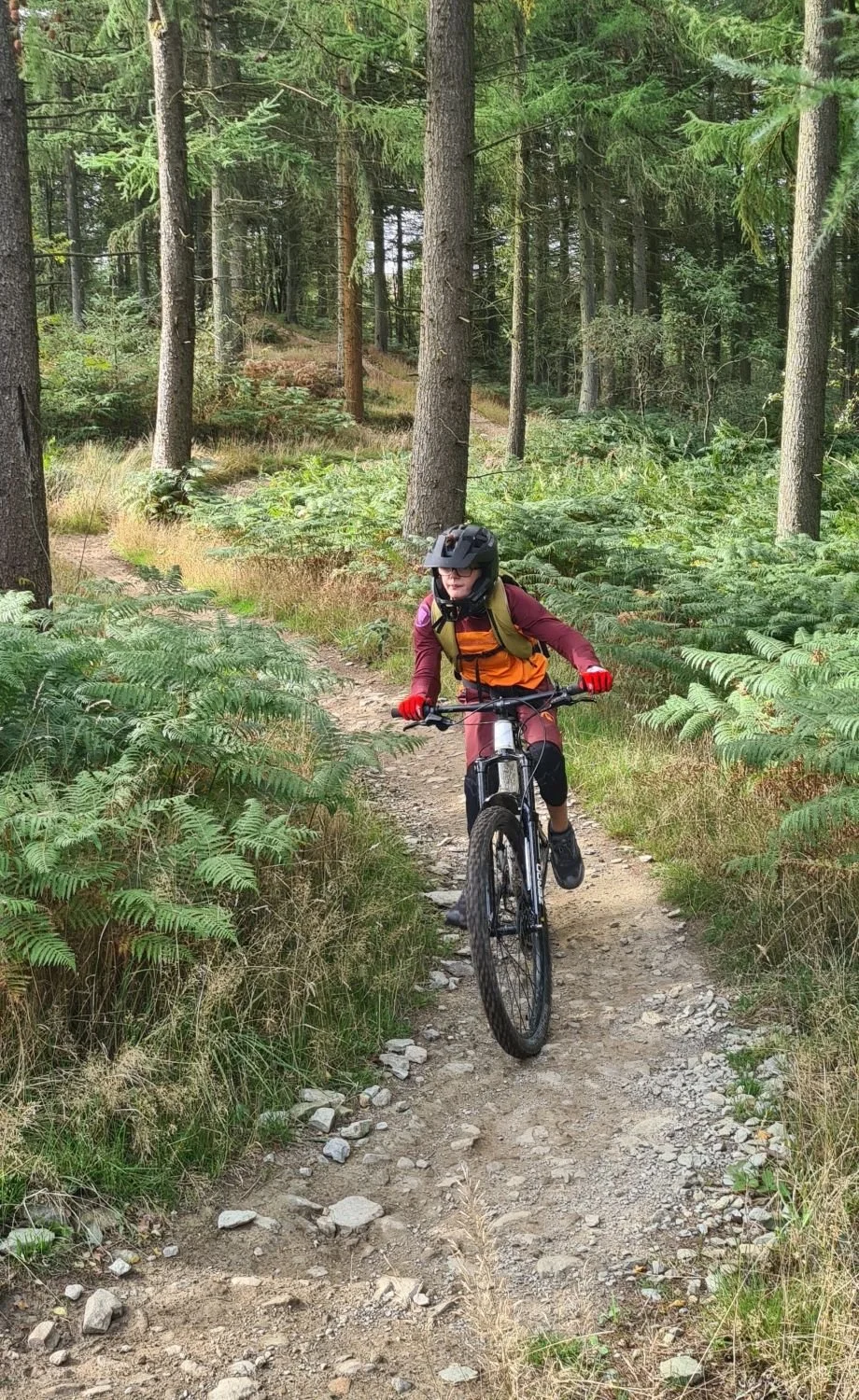
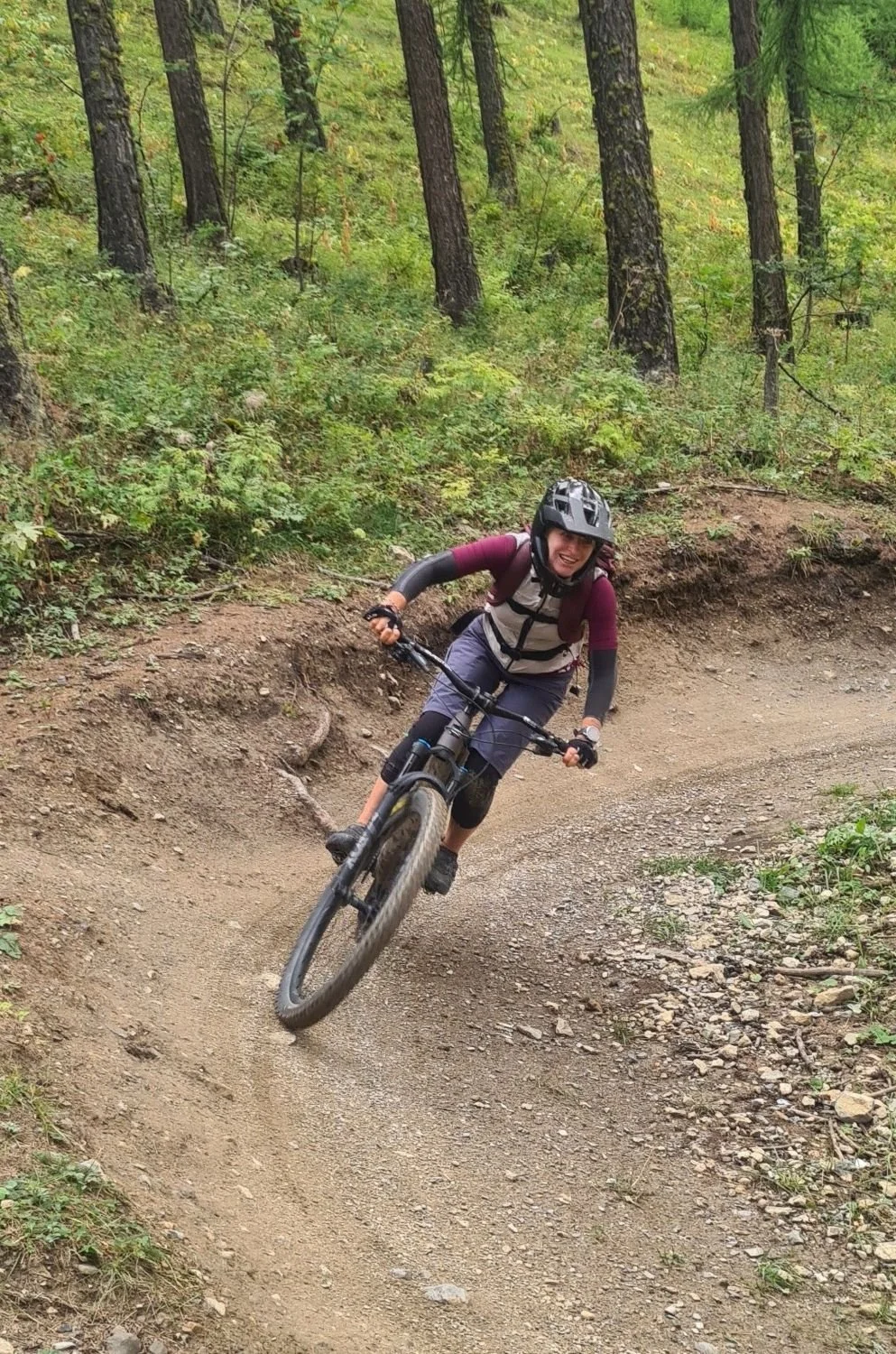
Our son has spent his holidays in these mountains since he was a baby, and thankfully, he seems to love them just as much as we do. From his two-year-old self being utterly obsessed with chairlifts, to his nine-year-old self desperate to try out downhill mountain bike slopes, it’s been quite a journey. He had a taster at eight years old and spent the next twelve months counting down the days until he could get back out there!
He has become completely obsessed—which I love, especially since he isn't all that interested in the traditional sports they play at school. Yet get him in the mountains, and he loves them all. And he’s good at them, too! So this past summer holiday, we spent many a day hurtling down a mountainside with a few jumps thrown in for good measure. What better pastime for a 50-year-old woman? I absolutely love it, and I feel so grateful to be right in the middle of the action—because why should the boys have all the fun?
Challenging the Brain: The Importance of Continual Learning
For those who know me well, you’ll know I’ve been learning French forever—without ever making any significant improvement! Given the amount of time we spend in France, I really want to communicate properly with local people, especially our neighbours, but I’ve just never been able to make the kind of progress I wanted.
The main issue? I was rarely consistent enough. I’d often return from a summer holiday all fired up, sign up for a class or hire a tutor, but then life would invariably get in the way and French would fall by the wayside, its importance to me a distant memory. By the time my next trip rolled around, I felt like I was right back to square one.
So, last summer (2025), I set the same goal—but this time with a new level of determination. I signed up for the Babbel app while still in France and started using it every single day. I joined a local conversational French class in Manchester and found a great tutor online. I decided 2025/2026 was going to be my year!
And for the first time ever, I feel like I’ve made actual, lasting progress. The true game-changer has been consistency and creating immersion without actually being in the country. This is so much easier now than it used to be—even simple strategies, like changing the language settings on my phone and laptop, mean I’m exposed to French every day.
Things kept building from there. I dusted off all the grammar books I’d bought over the years (though, truth be told, these have been parked again for now). In May, I spent two weeks at a language school in Lyon, which was a truly amazing experience. Within those two weeks, my listening comprehension improved dramatically—going from having almost none at the start to being able to follow the lectures by the end of week two. Today, I listen to a French podcast almost every day, and I’m currently reading my third novel in French! I’m far from fluent, but the progress is real, and I’m definitely not stopping now.
The Science: Why Language Learning Belongs in the Longevity Conversation
Beyond talking with my neighbours, my motivation goes much deeper than practical communication. From a health and longevity perspective, learning a complex new skill—especially a foreign language—is one of the most powerful workouts you can give your brain (learning a musical instrument is another fantastic example).
As we age, maintaining neuroplasticity—the brain's ability to form new neural connections and reorganize itself—becomes critical for building cognitive reserve and protecting against neurodegenerative decline. Research consistently shows that bilingualism and late-in-life language acquisition challenge the brain’s executive control network, forcing it to construct new neural pathways and boost mental agility.
In discussions around longevity, we often focus heavily on physical metrics like heart rate variability (HRV), VO2 max, or lean muscle mass. While those are undeniably vital—and I work daily on these too—cognitive longevity is equally essential. Challenging your mind with something unfamiliar and demanding keeps your brain adaptable, resilient, and sharp as you age.
Looking Ahead at Eglin Health
As I look toward the remainder of 2026 and into 2027, I need to refine my focus. Time is precious, and I want to prioritise my work in the areas that bring me the most joy and fulfillment—and in the areas where I feel I can serve people best. Moving forward, Eglin Health's work will center around three main areas:
1: Cancer Support
Given my own personal experience of breast cancer, this remains a primary focus. I felt let down by the system, and I want to ensure that others going through a similar situation can access the information they need to take ownership of their health and improve their chances of a positive outcome. Through my 90-day Cancer Support Programmes, I guide and empower individuals through evidence-based lifestyle strategies, integrative practices, and complementary approaches. Together, we explore how the 6 Pillars of Health (nutrition, movement, mental health, connection, and environment) interact to support recovery, resilience, and long-term wellbeing.
Pillar 2: Chronic Health Support
This is another area very close to my heart. Having recovered fully from both chronic fatigue and cancer, I want to continue helping people navigate their own journeys back to health. I will continue to provide tailored, root-cause support for complex, persistent health challenges—with a special focus on Gut Health, Bladder Health, and Complex Chronic Conditions. By understanding how our underlying biological systems interlock, we can work to restore true balance rather than just managing symptoms. No condition is too complex!
Pillar 3: Health Optimisation & Longevity
Long-term health is my own ultimate goal. I set myself the ambitious goal some years back of running the London Marathon when I’m 100 years old! For that to be achievable, I need to prioritise my health on a daily basis and make choices that enhance my wellbeing rather than take away from it. I love helping others do the exact same thing. For those looking to proactively safeguard their future health, this focus provides science-backed strategies to optimise daily energy, support cognitive function, maintain physical capacity, and reduce the risk of age-related chronic disease.
Final Thoughts
To support these three core focus areas, I’m really excited to announce a brand-new monthly blog and newsletter series starting next month!
Over the coming year, we’ll be taking a deep dive into the foundational frameworks that guide my work:
The Radical Remission 10 Key Factors: We’ll be unpacking and exploring the powerful lifestyle, emotional, and physical shifts that drive remarkable recovery.
The 6 Pillars of Health: We’ll be exploring these pillars, and I’ll be sharing practical, everyday strategies across nutrition, movement, restoration, connection, environment, and mindset that support your health and longevity.
The 4 Key Biological Systems: We’ll be breaking down the 4 key systems (Digestive, Endocrine, Immune, and Nervous) so you can understand how these interlock to shape your overall health and vitality.
I can’t wait to share this next chapter with you. Thank you, as always, for reading along and being part of this community. I’d love to hear how your own health, learning, or fitness goals are shaping up as we approach the end of the year—feel free to reach out or leave a comment!
To your health and longevity,
Sarah Eglin
Eglin Health